0%
In This Article:
Global retail e-commerce sales are forecast to reach $6.8 trillion by 2028, accounting for about 24% of all global retail sales, according to Forrester. As e-commerce brands expand across online stores, marketplaces, social commerce, and physical locations, inventory control becomes much harder.
Without the right system, stock data can quickly become inaccurate, leading to overselling, stockouts, delayed orders, and unhappy customers. That is why e-commerce inventory management software is critical, especially for businesses that need reliable integrations as part of broader e-commerce web development services.
In this article, we’ll review the top e-commerce inventory management software solutions, explain what each platform is best for, and show how to choose the right option for your e-commerce business.
What Is E-Commerce Inventory Management Software?
E-commerce inventory management software is a tool that tracks, updates, and manages product inventory across online sales channels from a single dashboard. It automatically synchronizes stock levels as products are sold, returned, transferred, or restocked, helping businesses maintain accurate inventory records in real time.
Why Do E-Commerce Businesses Need Inventory Management Software?
As e-commerce businesses grow, manual inventory management becomes increasingly difficult. Multiple sales channels without a centralized inventory system often result in stock discrepancies, overselling, stockouts, fulfillment delays, and lost revenue.
Inventory management software for e-commerce helps businesses:
- Maintain accurate inventory levels across all sales channels
- Reduce manual data entry and human error
- Prevent overselling and stockouts
- Improve order fulfillment efficiency
- Automate inventory updates and reordering processes
- Gain better visibility into inventory performance and demand trends
Integration With Leading E-Commerce Platforms
Most modern inventory management solutions integrate directly with major e-commerce platforms and marketplaces, including:
- Shopify – Synchronize inventory, orders, and product data across Shopify stores.
- Magento (Adobe Commerce) – Manage inventory across complex catalogs and multi-store environments.
- Amazon – Keep stock levels updated automatically across Amazon marketplaces and fulfillment networks.
- WooCommerce – Track inventory and orders directly within WordPress-based online stores.
- BigCommerce – Manage stock across multiple storefronts and sales channels from a centralized system.
Key Features to Look For in E-Commerce Inventory Management Software
The best e-commerce inventory management software should help businesses track stock accurately, sync inventory across sales channels, automate routine tasks, and make better inventory decisions using data.
1. Real-Time Inventory Tracking
Real-time inventory tracking shows the current stock level of each product as sales, returns, transfers, and restocks happen. This helps e-commerce businesses avoid overselling, reduce stockouts, and keep inventory records accurate.
2. Multi-Channel Inventory Synchronization
Multi-channel sync updates inventory across every connected sales channel automatically. For example, when a product sells on Amazon, the stock level should also update on Shopify, Magento, eBay, Walmart Marketplace, and other connected platforms.
3. Automation
Inventory automation reduces manual work by handling repetitive inventory tasks automatically. This can include low-stock alerts, reorder points, purchase order creation, stock transfers, and inventory updates across sales channels.
4. Analytics and Forecasting
Analytics and forecasting tools help e-commerce businesses understand sales trends and predict future inventory needs. These features make it easier to identify best-selling products, avoid excess inventory, and plan restocking more accurately.
E-Commerce Inventory Management Software Comparison
The table below compares the leading e-commerce inventory management software solutions based on their core strengths, ideal business size, and key capabilities.
Software | Best For | Key Strength | Multi-Channel Support | ERP Integration |
|---|---|---|---|---|
Zoho Inventory | Small to mid-sized businesses | Affordability and ease of use | Yes | Limited |
NetSuite | Enterprise retailers | Advanced ERP and inventory management | Yes | Yes |
Cin7 | Growing multi-channel brands | Inventory synchronization and automation | Yes | Yes |
Brightpearl | Omnichannel retailers | Retail operations automation | Yes | Yes |
Extensiv Order Manager | High-volume sellers | Fulfillment and order management | Yes | Yes |
inFlow Inventory | Small businesses | Simplicity and inventory control | Limited | Limited |
Fishbowl Inventory | Warehouse and manufacturing operations | Inventory and production management | Yes | Yes |
Finale Inventory | Multi-warehouse businesses | Inventory accuracy and barcode management | Yes | Limited |
Odoo Inventory | Businesses seeking an ERP solution | Customization and flexibility | Yes | Yes |
Veeqo | Marketplace sellers | Inventory and shipping management | Yes | Limited |
Top E-Commerce Inventory Management Software in 2026
We’ve put together a list of top e-commerce inventory management software solutions to help you compare options based on sales channels, inventory complexity, fulfillment needs, and business growth stage.
1. Zoho Inventory
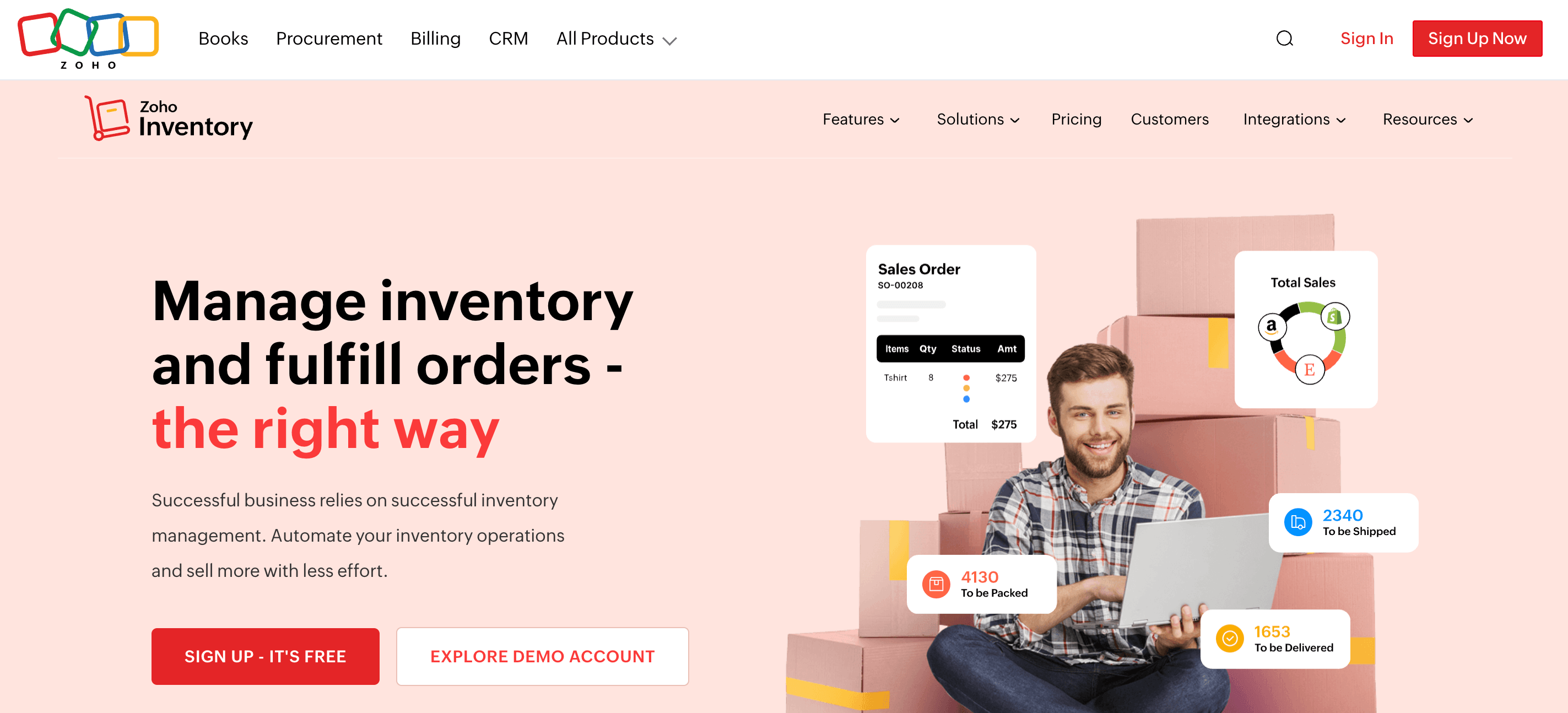
Zoho Inventory is a cloud-based inventory and order management platform designed for small and growing e-commerce businesses. It helps retailers track stock, manage orders, and synchronize inventory across multiple sales channels from a single dashboard.
Key Features:
- Multi-channel inventory management
- Order and purchase management
- Shipping integrations
- Inventory tracking and reporting
Pros: Affordable, easy to use, strong Zoho ecosystem.
Cons: May be limited for complex enterprise operations.
Best for: Small and mid-sized e-commerce businesses.
2. NetSuite
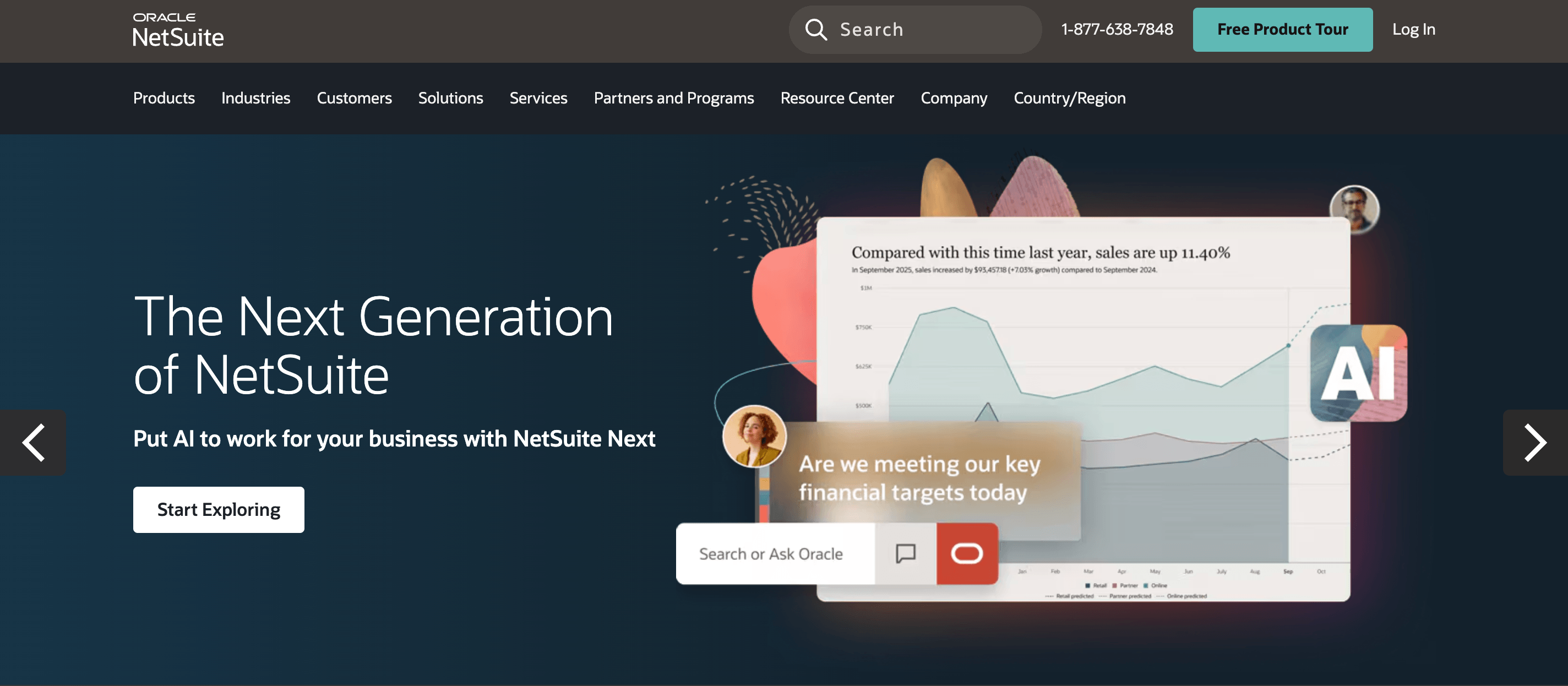
NetSuite is an enterprise-grade ERP platform that includes advanced inventory management capabilities. It provides real-time visibility into inventory, orders, finances, and operations across multiple locations and sales channels.
Key Features:
- Real-time inventory tracking
- Demand planning and forecasting
- Multi-location inventory management
- ERP and CRM integration
Pros: Powerful enterprise functionality.
Cons: Higher cost and more complex implementation.
Best for: Large e-commerce brands and enterprise retailers.
3. Cin7
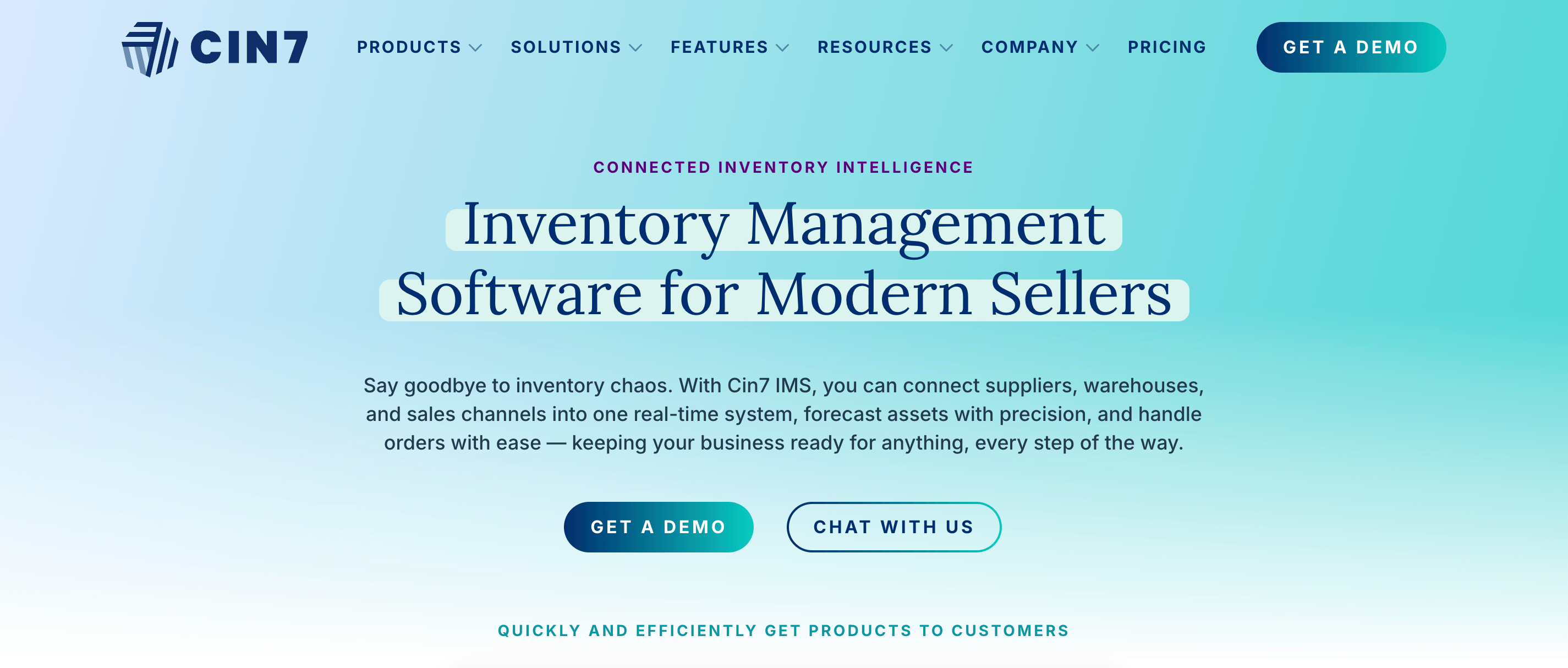
Cin7 is a multi-channel inventory management solution that connects inventory, sales, warehouses, and fulfillment operations. The platform is designed to help businesses manage inventory across online stores, marketplaces, and physical locations.
Key Features:
- Inventory synchronization
- Warehouse management
- B2B and marketplace integrations
- Automated order processing
Pros: Strong multi-channel features.
Cons: Can be complex for beginners.
Best for: Growing retailers selling across multiple channels.
4. Brightpearl
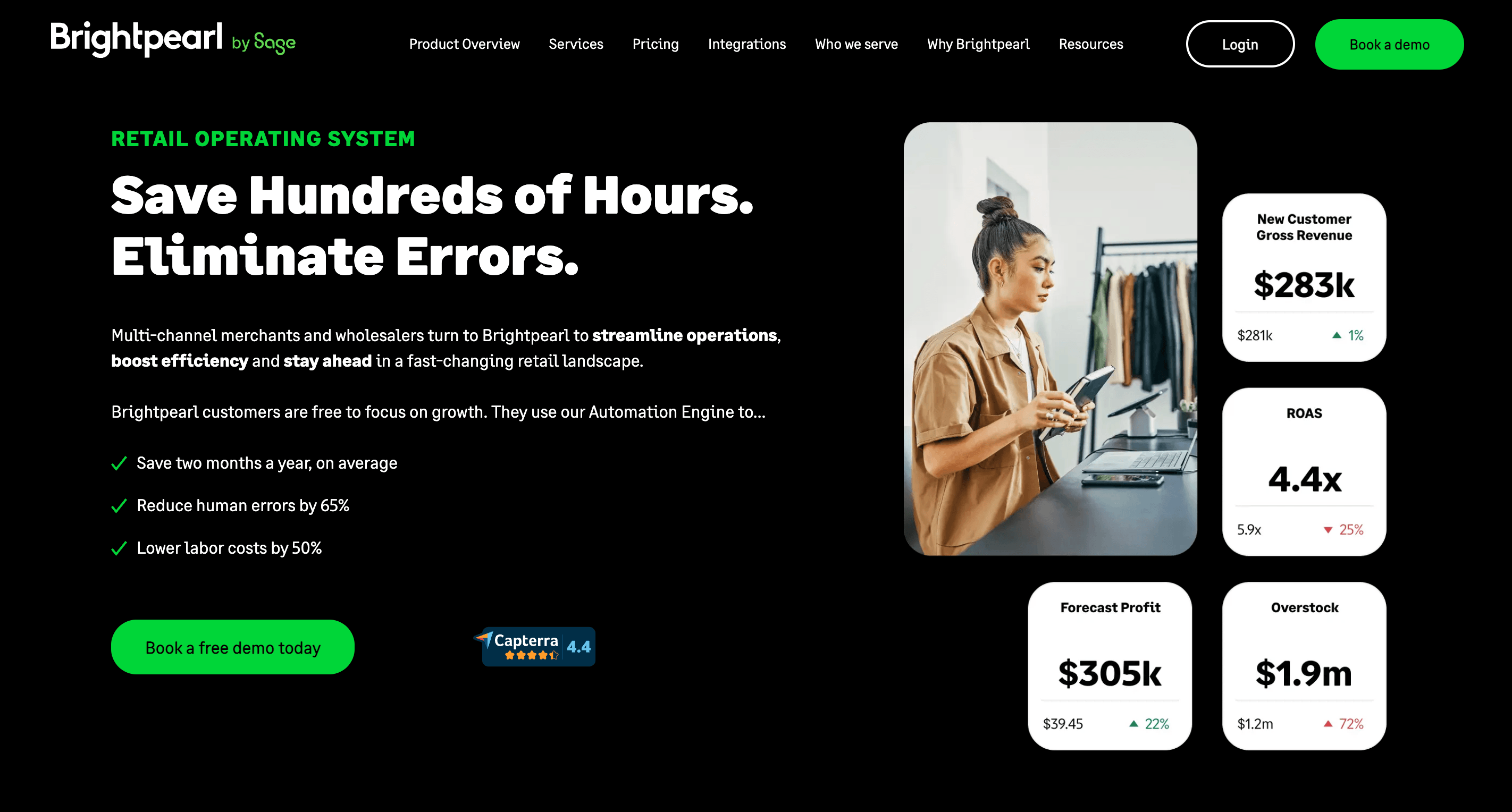
Brightpearl is a retail operations platform that combines inventory management, order management, accounting, and fulfillment tools. Its automation capabilities help businesses reduce manual work and improve operational efficiency.
Key Features:
- Inventory automation
- Order management
- Retail accounting
- Demand planning
Pros: Strong automation for retail operations.
Cons: Better suited to larger businesses.
Best for: Scaling e-commerce and omnichannel retailers.
5. Extensiv Order Manager
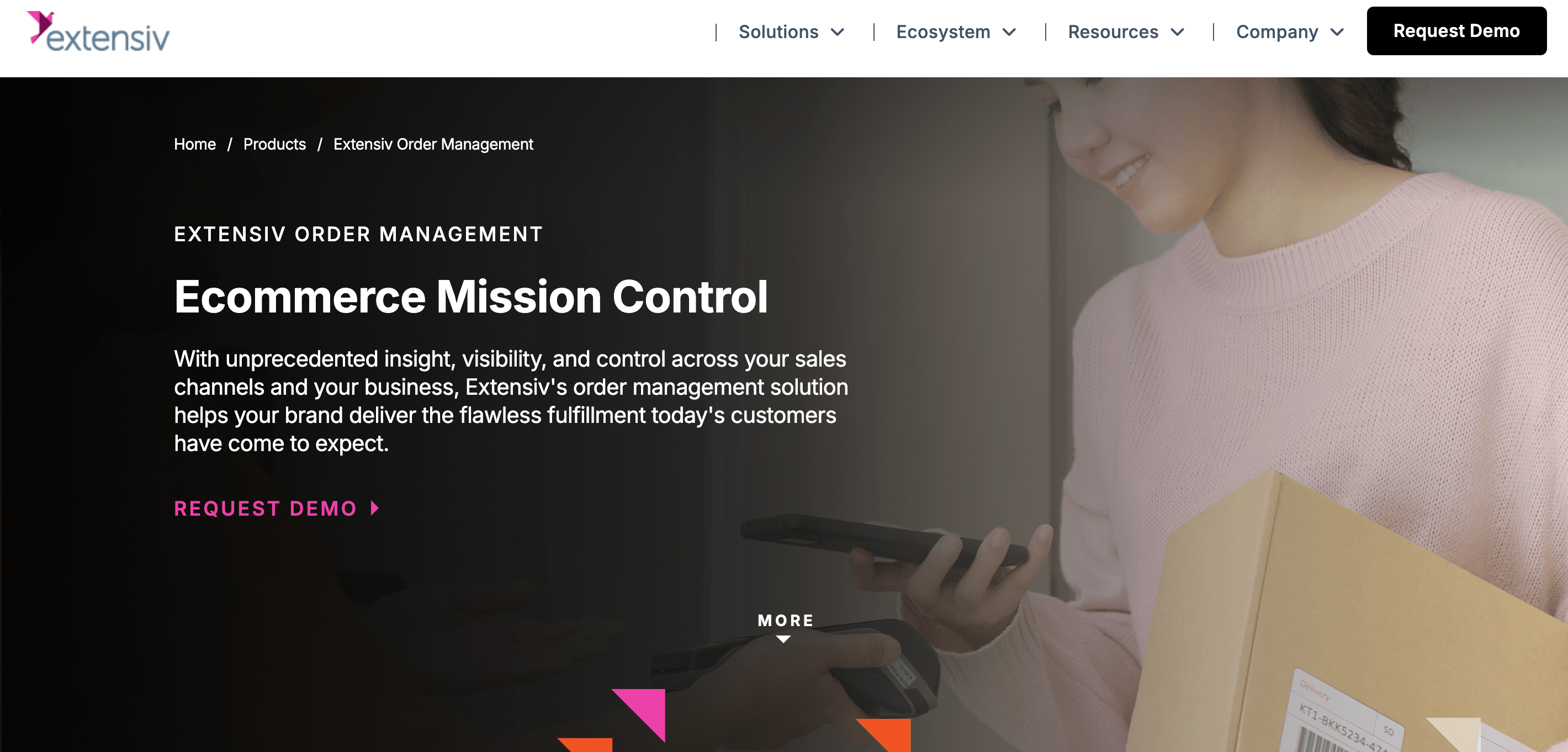
Formerly known as Skubana, Extensiv Order Manager is an inventory and order management platform built for high-volume e-commerce operations. It helps businesses automate inventory workflows and manage fulfillment across multiple channels.
Key Features:
- Inventory and order management
- Multi-channel synchronization
- Warehouse visibility
- Analytics and forecasting
Pros: Strong for fulfillment-heavy businesses.
Cons: May be more advanced than small sellers need.
Best for: Multi-channel brands using warehouses or 3PLs.
6. inFlow Inventory
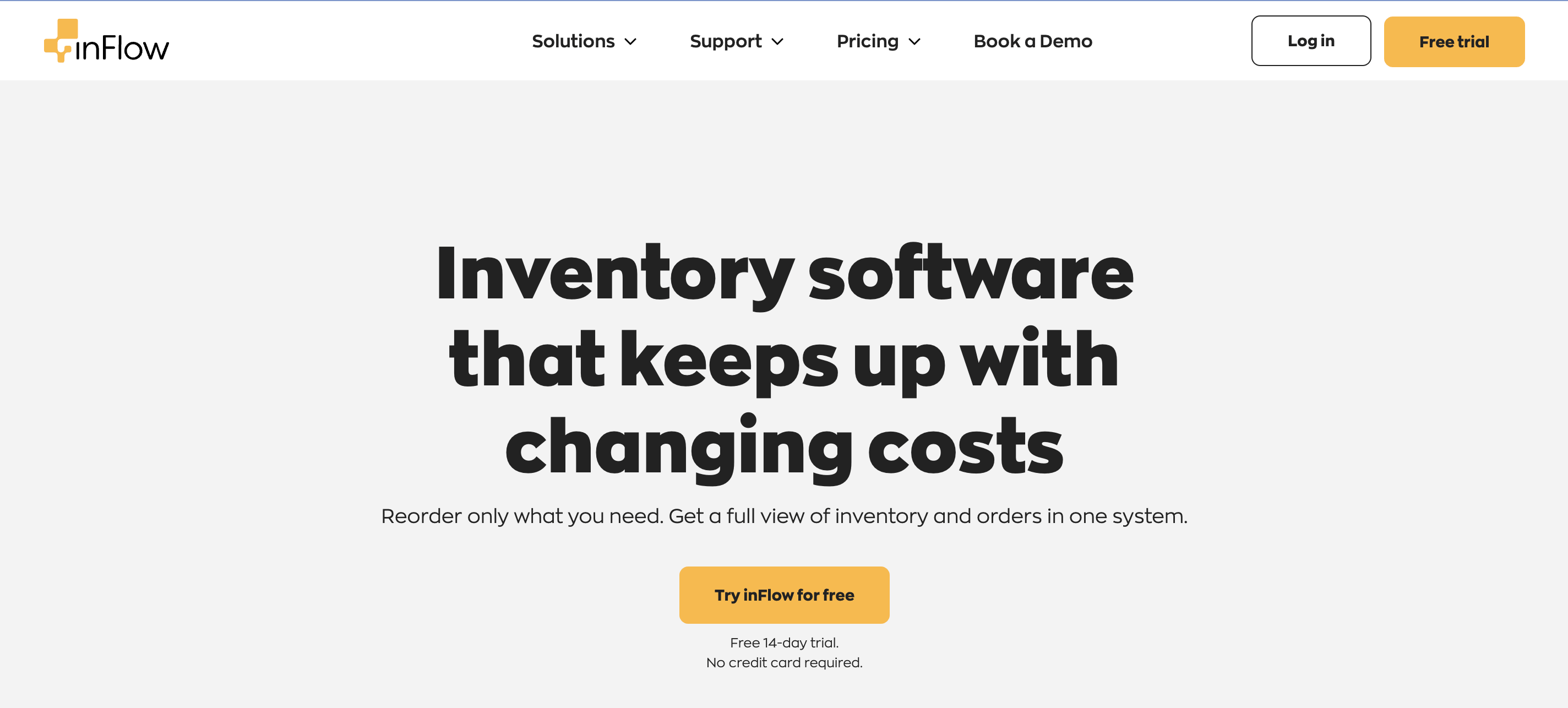
inFlow Inventory is a user-friendly inventory management platform that helps businesses manage stock, purchasing, sales, and fulfillment. It offers both cloud-based and on-premise deployment options.
Key Features:
- Inventory tracking
- Barcode scanning
- Purchase order management
- Inventory reporting
Pros: User-friendly and practical.
Cons: Less enterprise-focused than NetSuite or Cin7.
Best for: Small businesses and growing e-commerce sellers.
7. Fishbowl Inventory
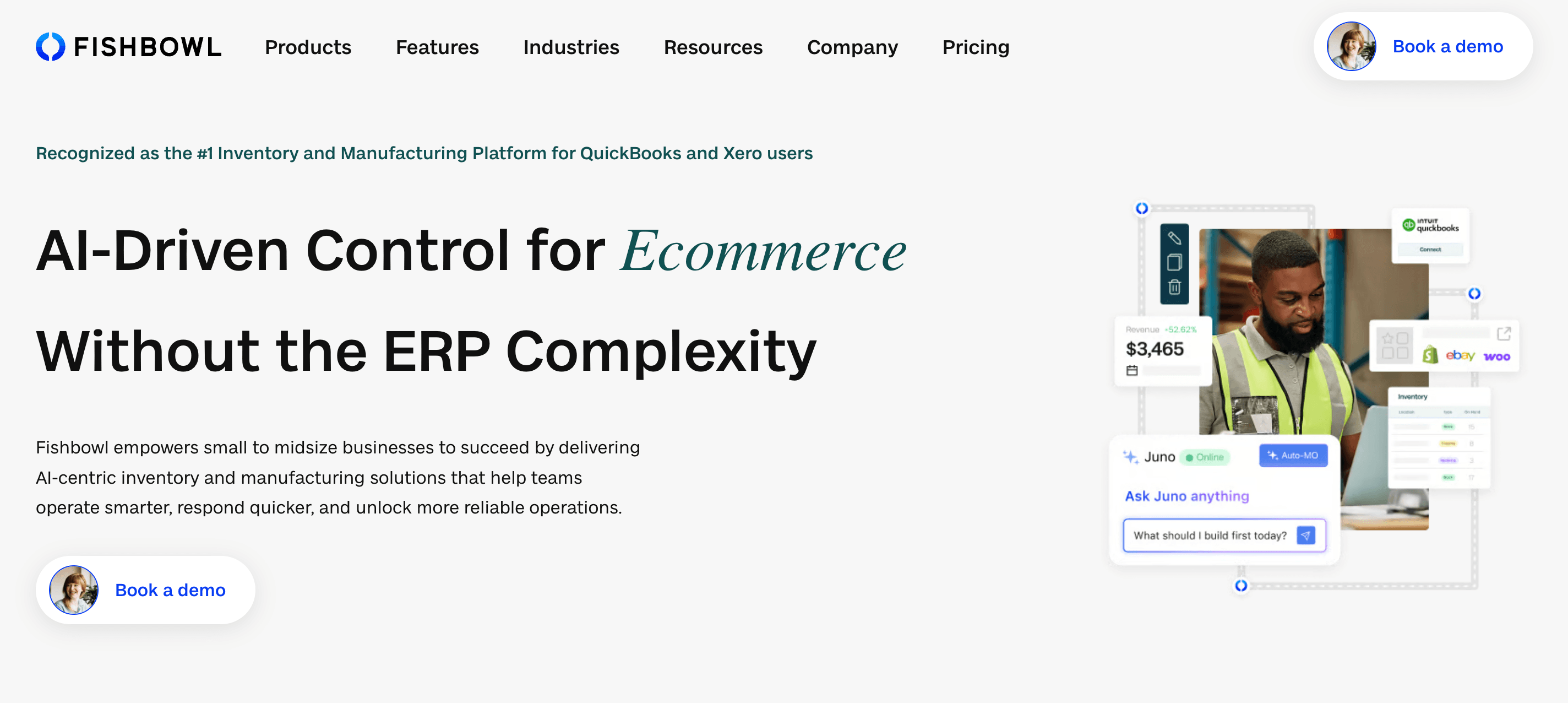
Fishbowl Inventory is an inventory management solution known for its warehouse and manufacturing capabilities. It helps businesses manage stock movement, production workflows, and inventory accuracy across multiple locations.
Key Features:
- Warehouse management
- Manufacturing inventory control
- Barcode scanning
- QuickBooks integration
Pros: Strong for warehouse and manufacturing workflows.
Cons: Interface and setup can feel complex.
Best for: E-commerce businesses with manufacturing or warehouse needs.
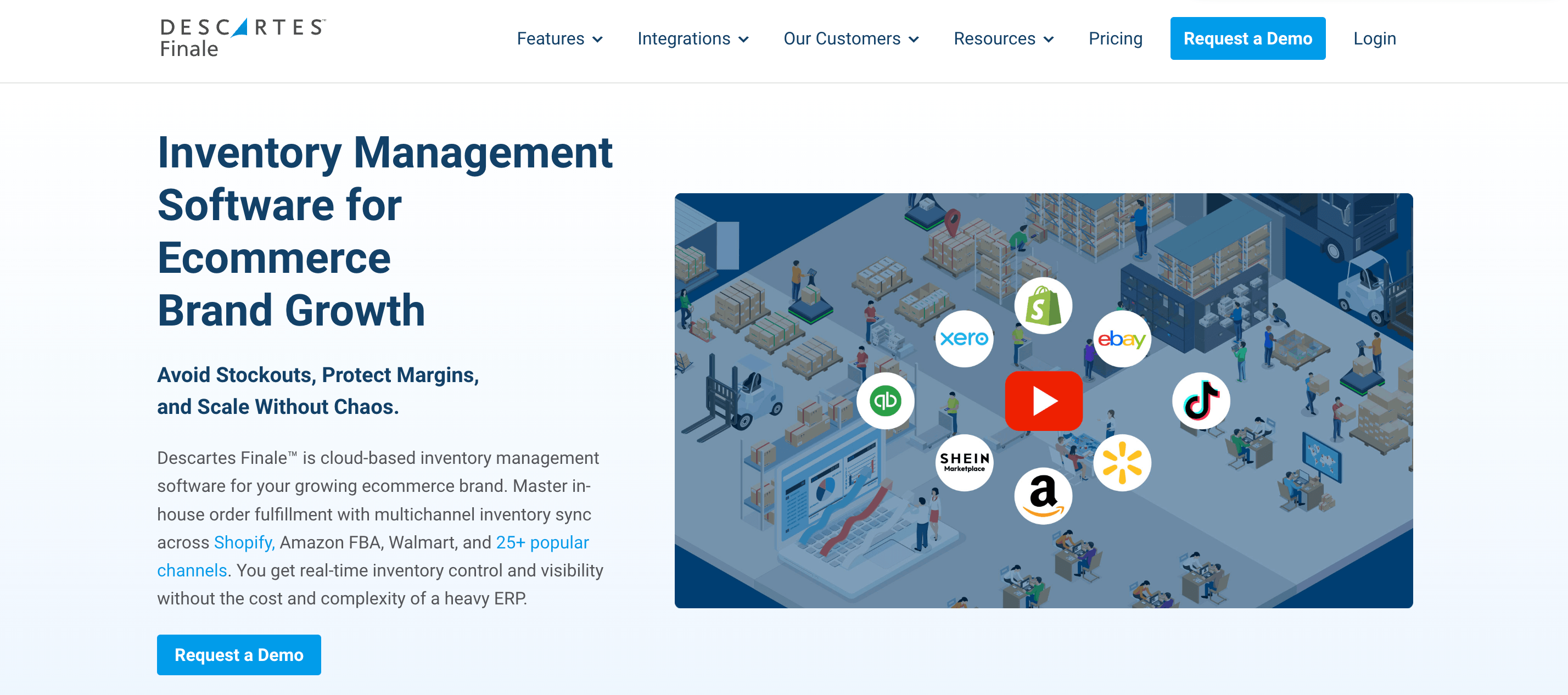
8. Finale Inventory
Finale Inventory is a cloud-based inventory management system focused on inventory accuracy and warehouse efficiency. It supports barcode scanning, multi-channel selling, and real-time inventory tracking.
Key Features:
- Multi-channel inventory management
- Barcode scanning
- Reorder management
- Warehouse tracking
Pros: Good for operational inventory accuracy.
Cons: May require setup time for complex workflows.
Best for: E-commerce sellers managing multiple warehouses or marketplaces.
9. Odoo Inventory
Odoo Inventory is part of the Odoo ERP ecosystem and provides inventory, warehouse, purchasing, and fulfillment management. Its modular structure allows businesses to expand functionality as they grow.
Key Features:
- Inventory and warehouse management
- Purchase and sales workflows
- Barcode support
- ERP integration
Pros: Flexible and modular.
Cons: Customization may require technical support.
Best for: Businesses that want inventory management inside a broader ERP system.
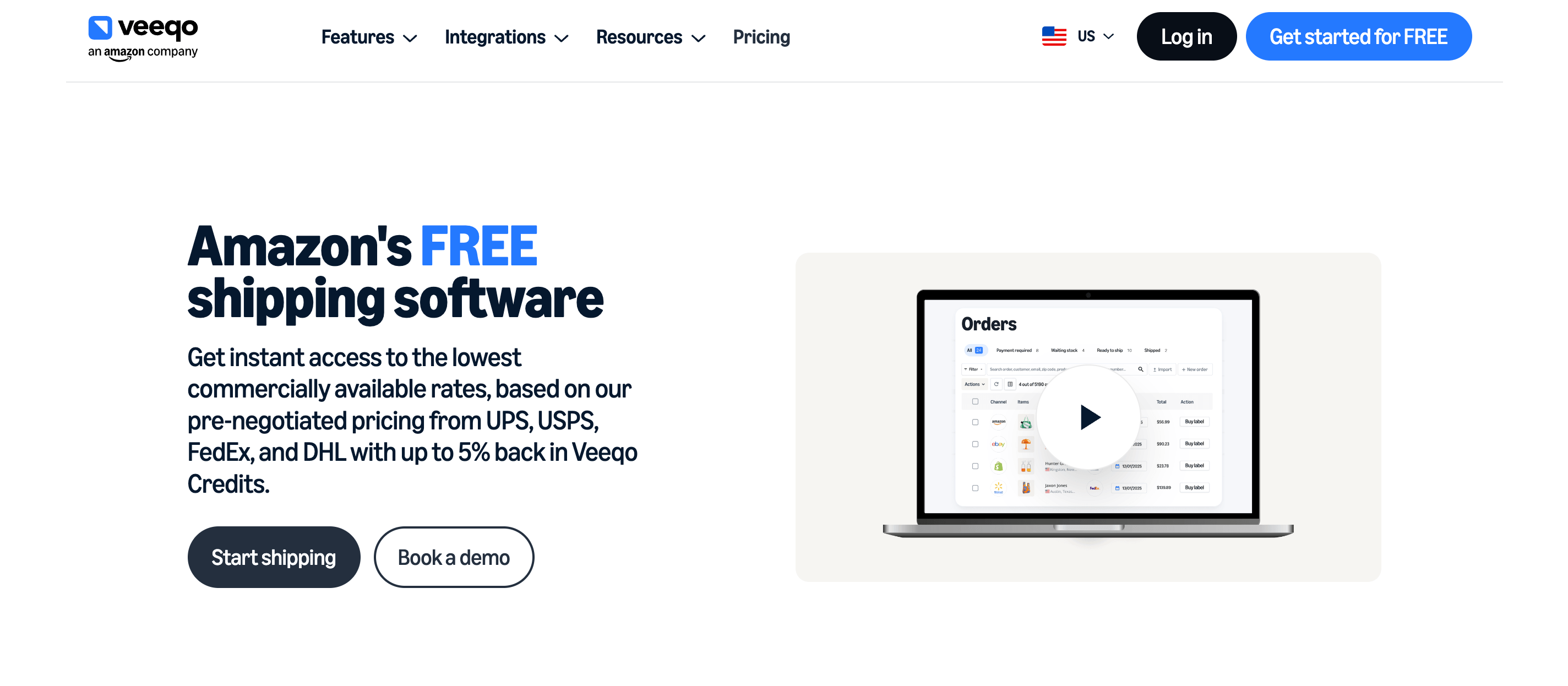
10. Veeqo
Veeqo is an inventory and shipping management platform designed for multi-channel e-commerce sellers. It helps businesses synchronize inventory, manage orders, and streamline fulfillment across marketplaces and online stores.
Key Features
- Inventory synchronization
- Shipping management
- Order management
- Marketplace integrations
Pros: Useful for marketplace sellers.
Cons: Best fit depends on sales channels and region.
Best for: E-commerce sellers focused on marketplace and shipping workflows.
Get in touch
with our expert
Discuss your project requirements and get a free estimate.
Get in touch
with our expert
Discuss your project requirements and get a free estimate.
How to Choose the Best Inventory Management Solution
The right solution should fit your current operations while supporting future growth. Focus on these key factors:
- Business Size — Choose software that matches your order volume, product catalog, and team size.
- Budget — Compare subscription costs, setup fees, training, and integration expenses.
- Integration Capabilities — Make sure the platform connects with your e-commerce store, marketplaces, ERP, CRM, and fulfillment tools.
- Scalability — Select a system that can support more products, channels, warehouses, and orders as your business grows.
- Ease of Use — Choose a platform your team can learn quickly without heavy technical support.
- Support and Training — Check whether the provider offers reliable customer support, onboarding, documentation, and training resources.
Common Mistakes to Avoid
An inventory management mistake is any decision that reduces stock accuracy, disrupts order fulfillment, or limits e-commerce growth. Here are the most common mistakes businesses should avoid.
Choosing a Solution Without Integrations
Inventory software should connect seamlessly with your e-commerce platform, marketplaces, ERP, CRM, accounting tools, and fulfillment providers. Without these integrations, businesses often face duplicate data entry, inventory discrepancies, and inefficient workflows.
Ignoring Scalability
Many businesses choose software based on their current needs without considering future growth. As sales channels, product catalogs, and order volumes increase, a system that cannot scale may require a costly migration later.
Relying on Manual Inventory Management
Managing inventory through spreadsheets or manual updates increases the risk of human error, overselling, stockouts, and inaccurate inventory records. Automated inventory management software helps maintain real-time inventory accuracy and reduces administrative workload.
Need Help Integrating Inventory Management Software?
Inventory software integration can be difficult when your e-commerce store, marketplaces, ERP, CRM, warehouse, and fulfillment tools do not work together. Disconnected systems can cause inaccurate stock data, manual updates, overselling, and fulfillment delays.
Transform Agency helps e-commerce businesses connect inventory software with the systems they already use. Our services include software integration, ERP and CRM connectivity, marketplace synchronization, workflow automation, custom development, and technical support.
Need help with inventory software integration? Contact Transform Agency to streamline your e-commerce inventory operations.
FAQ
How does inventory management work in e-commerce?
E-commerce inventory management tracks stock levels across stores, marketplaces, warehouses, and fulfillment centers. Software updates inventory in real time after each sale, return, transfer, or restock.
What is the best e-commerce inventory management software?
The best e-commerce inventory management software depends on business size, sales channels, and fulfillment needs. Zoho Inventory, Cin7, Brightpearl, and NetSuite are common options for different growth stages.
What are the main benefits of using inventory management software?
Inventory management software improves stock accuracy, prevents overselling, reduces manual work, speeds up fulfillment, and helps businesses plan purchases with better data.
Can I integrate inventory software with Shopify?
Yes. Most e-commerce inventory management tools integrate with Shopify to sync products, orders, and stock levels across connected stores, marketplaces, and warehouses.

Written with the assistance of Sergey Girlya
Adobe Commerce Business Practitioner | Certified PSM & PSPO at TA
Sergey ensures project success by validating business cases, defining success metrics, and identifying sustainable benefits. His proactive approach leverages existing systems, processes, and data to deliver additional value. Serge excels in planning, executing, monitoring, and controlling all aspects of the project lifecycle, ensuring meticulous attention to detail and strategic oversight.
Sergey ensures project success by validating business cases, defining success metrics, and identifying sustainable benefits. His proactive approach leverages existing systems, processes, and data to deliver additional value. Serge excels in planning, executing, monitoring, and controlling all aspects of the project lifecycle, ensuring meticulous attention to detail and strategic oversight.