

0%

70.5% of e-commerce websites are rated “needs improvement” for Lighthouse performance, which shows how often online stores struggle with technical SEO basics. For many merchants, the issue is not only poor optimization, but also the platform they build on: limited URL control, slow page speed, weak structured data, or dependence on extra apps can all hold search visibility back.
That is why choosing the right platform matters, but it is only one part of long-term search growth. Many stores also need regular audits, technical improvements, content optimization, andprofessional e-commerce SEO support to turn a strong platform into measurable organic traffic.
In this article, we compare the best e-commerce platforms for SEO to help you choose a solution that supports rankings, traffic, and long-term organic growth.
What Makes an E-commerce Platform Good for SEO?
A good e-commerce platform for SEO should make it easy to optimize both your website content and technical setup. It should help search engines crawl, understand, and rank your store while giving your team enough control to improve pages without constant developer support.
When comparing e-commerce platforms for SEO, pay attention to features such as:
- Customizable URLs: clean, readable URLs for product, category, blog, and landing pages.
- Metadata control: easy editing of title tags, meta descriptions, headings, image alt text, and canonical tags.
- Fast page performance: lightweight themes, optimized code, caching, and strong mobile loading speed.
- Structured data support: product schema, reviews, breadcrumbs, availability, pricing, and other rich result elements.
- Indexation control: access to robots.txt, XML sitemaps, redirects, canonical settings, and noindex options.
- Content flexibility: built-in blogging, landing page creation, internal linking, and content optimization tools.
- Scalability: the ability to handle large catalogs, filters, variants, and international stores without creating duplicate content or crawl issues.
- App and extension quality: reliable SEO tools that do not slow down the store or create technical conflicts.
The best SEO e-commerce platforms combine strong built-in optimization features with enough flexibility for advanced improvements. This gives merchants a better foundation for ranking product pages, category pages, and informational content as the store grows.
Comparison Table: Best E-commerce Platforms for SEO
When choosing an e-commerce platform, it is also helpful to review a side-by-side comparison table that highlights how each option performs across key SEO factors.
Platform | Best For | SEO Strengths | SEO Limitations |
|---|---|---|---|
Shopify | Small to mid-sized brands that need a simple, reliable e-commerce setup | Easy metadata editing, automatic sitemap generation, built-in structured data, fast setup, large SEO app ecosystem | Limited URL structure control, app dependency, and less flexibility for advanced technical SEO |
Adobe Commerce / Magento | Large stores, complex catalogs, B2B e-commerce, and enterprise SEO | Strong technical flexibility, advanced URL rewrites, metadata control, XML sitemaps, canonical settings, and scalable catalog management | Requires development resources and proper technical setup to avoid performance or crawlability issues |
WooCommerce | WordPress-based stores and content-driven e-commerce websites | High content flexibility, customizable URLs, strong blogging features, and access to powerful SEO plugins | Performance and SEO quality depend heavily on hosting, theme, plugin setup, and maintenance |
BigCommerce | Growing e-commerce brands that need built-in SEO features with less technical complexity | SEO-friendly URLs, customizable URL settings, metadata control, strong native e-commerce features, and good scalability | Smaller app ecosystem than Shopify and less open-ended customization than Magento or WooCommerce |
Shopware | European merchants, content-commerce stores, and scalable B2C/B2B projects | Flexible SEO URL settings, meta tag control, strong category and content features, and good scalability | May require developer support and additional extensions for advanced SEO workflows |
Wix | Small businesses and beginners that want an easy website builder with e-commerce features | User-friendly SEO settings, URL slug editing, indexability controls, structured data options, and guided SEO tools | Less suitable for large catalogs, complex technical SEO, or highly customized e-commerce structures |
Squarespace Commerce | Small stores, creative brands, and visually driven product catalogs | Clean templates, automatic SEO basics, simple metadata editing, and easy content management | Limited technical SEO control and less flexibility for complex e-commerce or large-scale SEO strategies |
Best E-commerce Platforms for SEO in 2026
There is no single best e-commerce platform for every online store. The right choice depends on your business size, catalog structure, content strategy, development resources, and how much technical SEO control you need.
If you are planning a new store, migration, or platform rebuild, working with an experiencede-commerce web development team can help you choose and implement a platform that supports both SEO and business growth.
1. Shopify: Best for Simple SEO Management
Shopify is one of the best e-commerce platforms for SEO if you want a user-friendly setup with many SEO basics handled automatically. It is a strong option for small and mid-sized brands that need a reliable platform without heavy development work.
Shopify allows merchants to edit title tags, meta descriptions, image alt text, product content, collection pages, and blog posts. It also automatically generates sitemap files and provides default robots.txt settings. For many growing stores, this makes Shopify easy to manage from an SEO perspective.
However, Shopify has some limitations for advanced SEO. URL structure customization is limited, and many additional SEO improvements depend on third-party apps. This can be a drawback for stores that need deeper control over technical SEO, international SEO, or complex catalog architecture.
Best for: small to mid-sized e-commerce brands, DTC stores, and merchants that want an easy SEO setup.

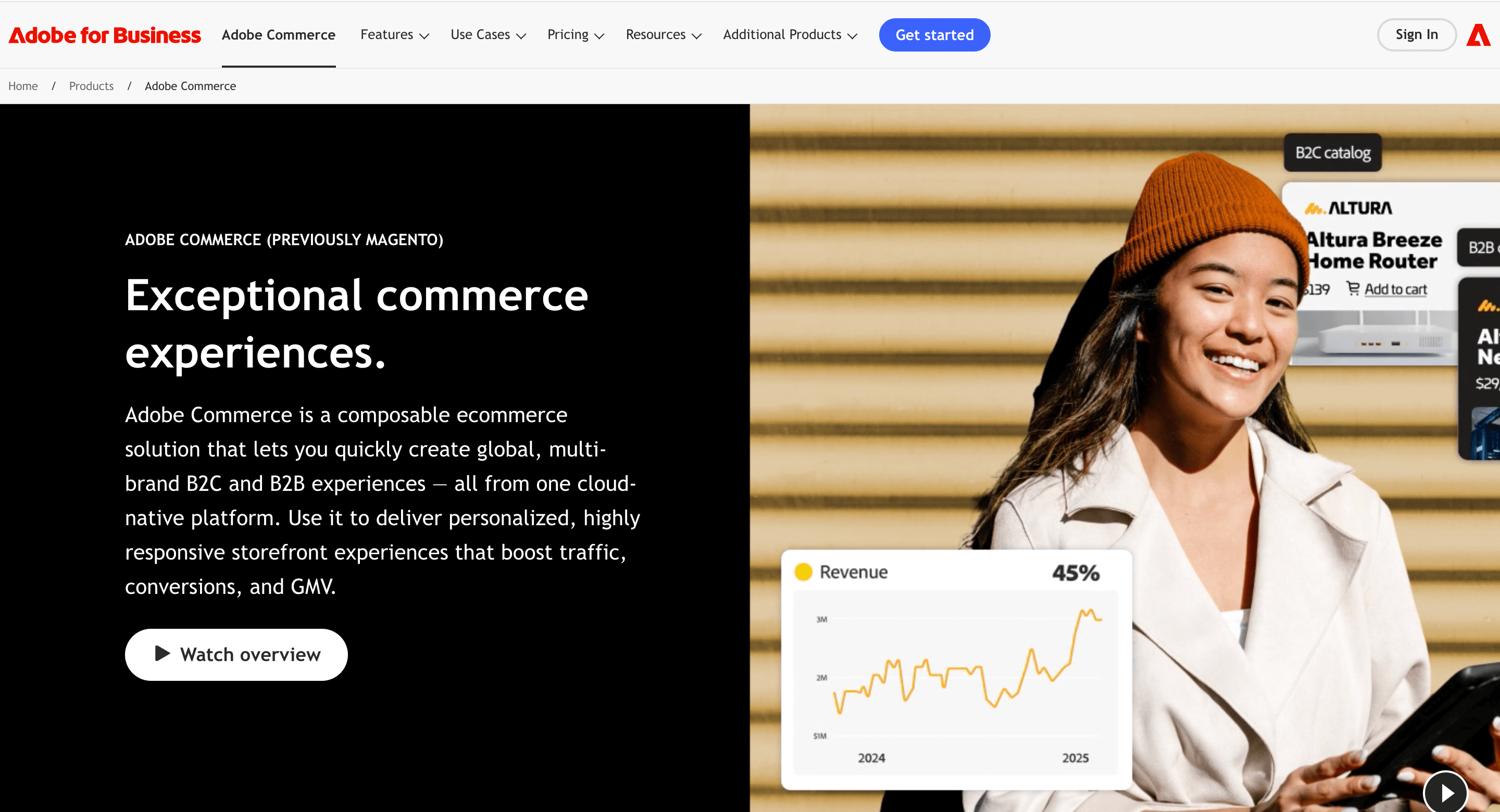
2. Adobe Commerce / Magento: Best for Enterprise SEO
Adobe Commerce, formerly Magento, is one of the strongest platforms for advanced e-commerce SEO. It is especially suitable for large catalogs, B2B stores, multi-store setups, and businesses that need full control over technical optimization.
The platform offers strong SEO flexibility, including URL rewrites, metadata settings, XML sitemaps, canonical tags, redirects, product and category optimization, and advanced catalog management. This makes it a powerful choice for stores that need to build a scalable SEO strategy across thousands of products or multiple storefronts.
The main challenge is that Adobe Commerce requires technical expertise. Without proper development, hosting, and optimization, stores can face speed, crawlability, and duplicate content issues. For teams with the right resources, however, it offers some of the deepest SEO control available.
Best for: enterprise e-commerce, large product catalogs, B2B stores, and businesses with technical SEO resources.
3. WooCommerce: Best for Content-Driven SEO
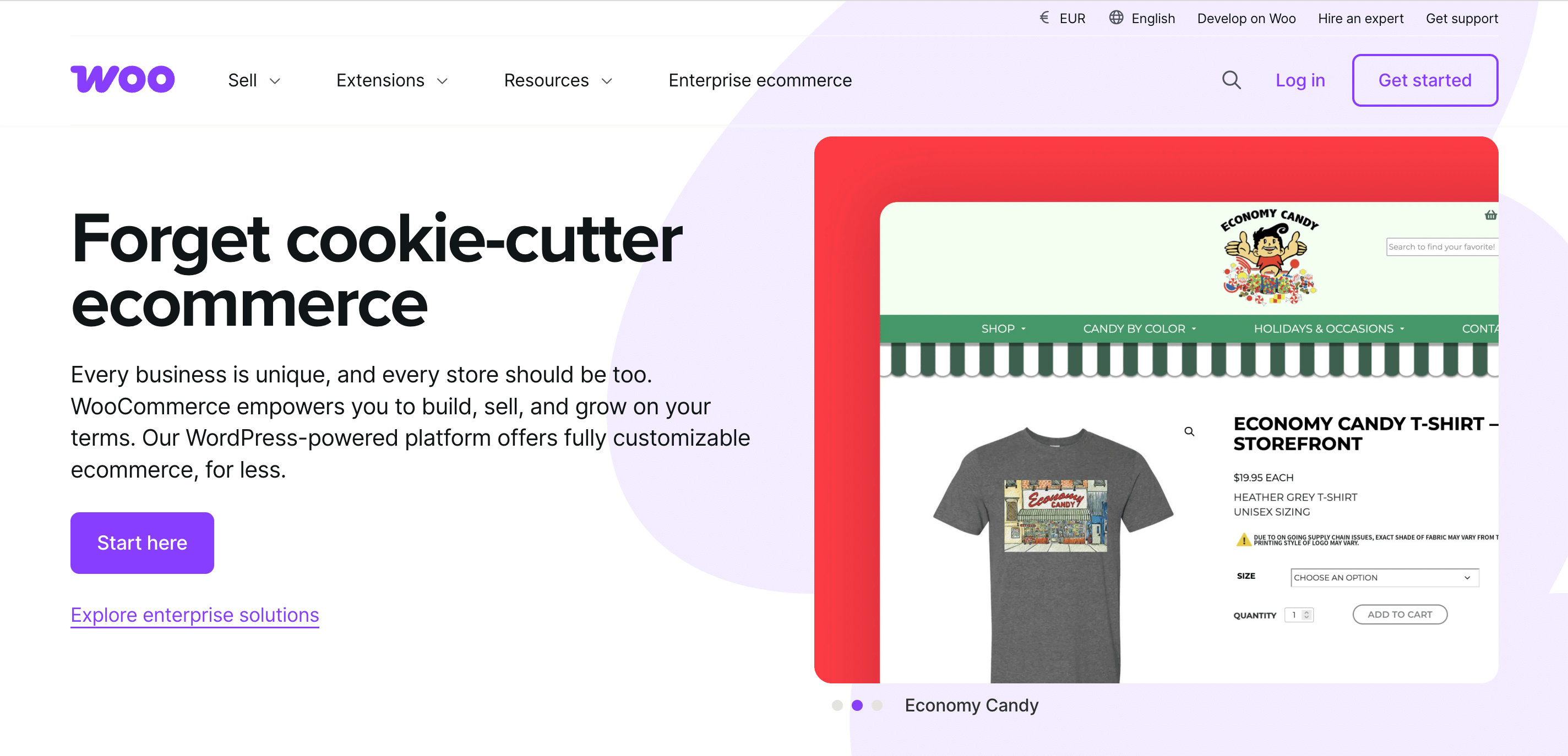
WooCommerce is a strong SEO platform because it runs on WordPress, one of the most flexible content management systems. This makes it a good choice for stores that rely heavily on blogging, guides, landing pages, and informational search traffic.
With WooCommerce, merchants can customize URLs, optimize product pages, build rich content hubs, and use SEO plugins to manage metadata, schema, sitemaps, breadcrumbs, and other optimization elements. It gives store owners a high level of content and technical flexibility.
The downside is that WooCommerce performance depends heavily on hosting, theme quality, plugins, and ongoing maintenance. Too many plugins or a poorly optimized setup can slow the store down and create technical SEO issues.
Best for: content-focused e-commerce brands, niche stores, publishers selling products, and businesses already using WordPress.
4. BigCommerce: Best for Built-in SEO Features
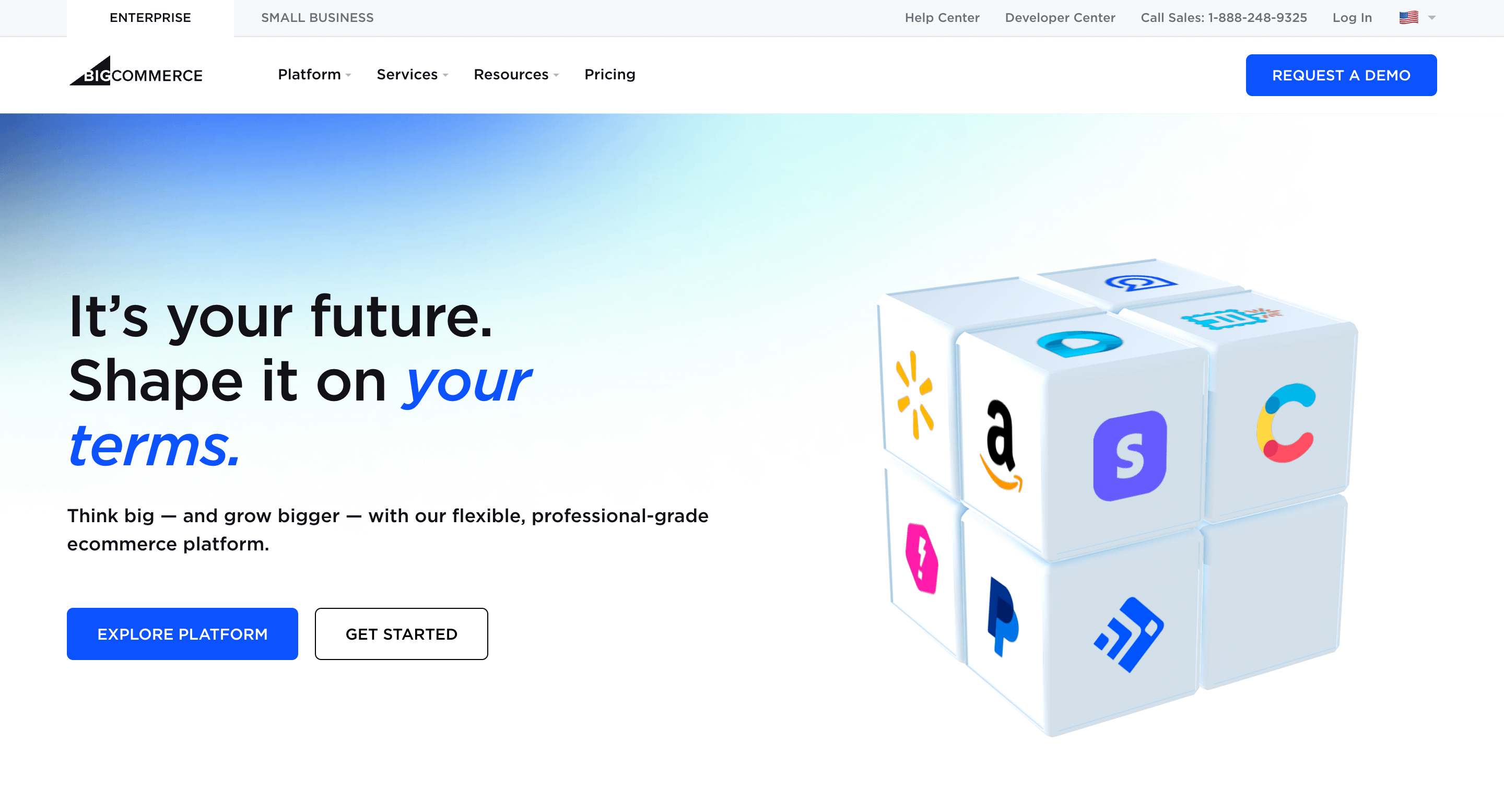
BigCommerce is a solid option for growing e-commerce brands that want more built-in SEO functionality without the complexity of a fully open-source platform. It offers good native SEO controls and is built to support scalable online stores.
Merchants can customize URLs, edit metadata, manage redirects, optimize product and category pages, and use built-in e-commerce features without relying as heavily on apps as some other platforms. This makes BigCommerce a practical choice for merchants that want SEO flexibility with less technical maintenance.
Its main limitation is that it is not as open-ended as Adobe Commerce or WooCommerce. Advanced SEO customization may still require developer support, and the app ecosystem is smaller than Shopify’s.
Best for: growing e-commerce businesses, mid-market stores, and merchants that want strong native SEO tools.
5. Shopware: Best for Flexible European E-commerce
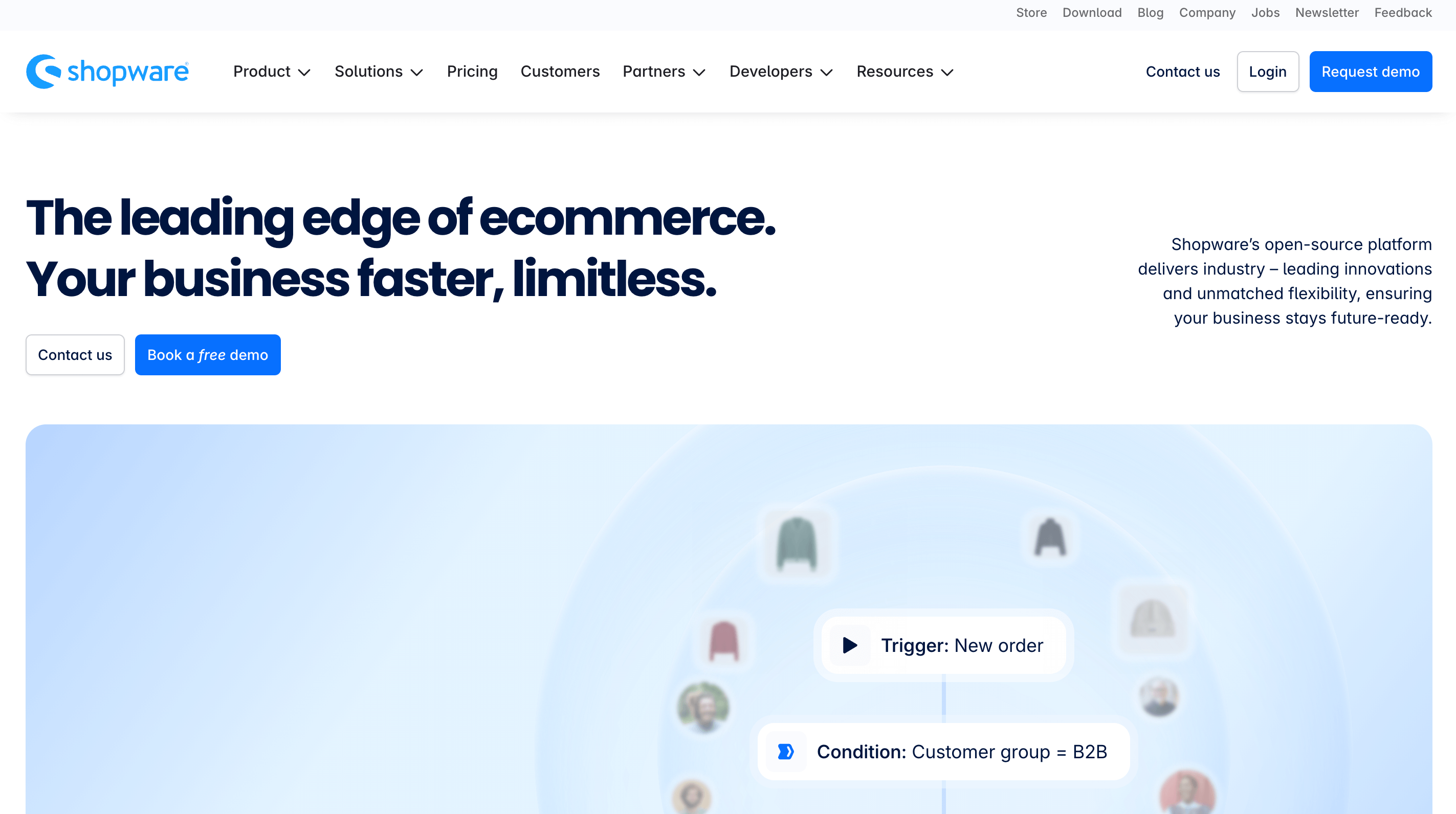
Shopware is a good SEO platform for merchants that need flexibility, scalability, and strong content-commerce features. It is especially popular in Europe and can support both B2C and B2B e-commerce projects.
The platform allows merchants to configure SEO URLs, optimize metadata, manage categories, and build content-rich shopping experiences. This makes it useful for brands that want to combine product discovery with editorial content, landing pages, and storytelling.
However, Shopware may require developer support for advanced SEO setups, custom workflows, or complex integrations. It is powerful, but it may not be the easiest option for very small teams without technical resources.
Best for: European merchants, scalable B2C and B2B stores, and brands that need content-commerce flexibility.
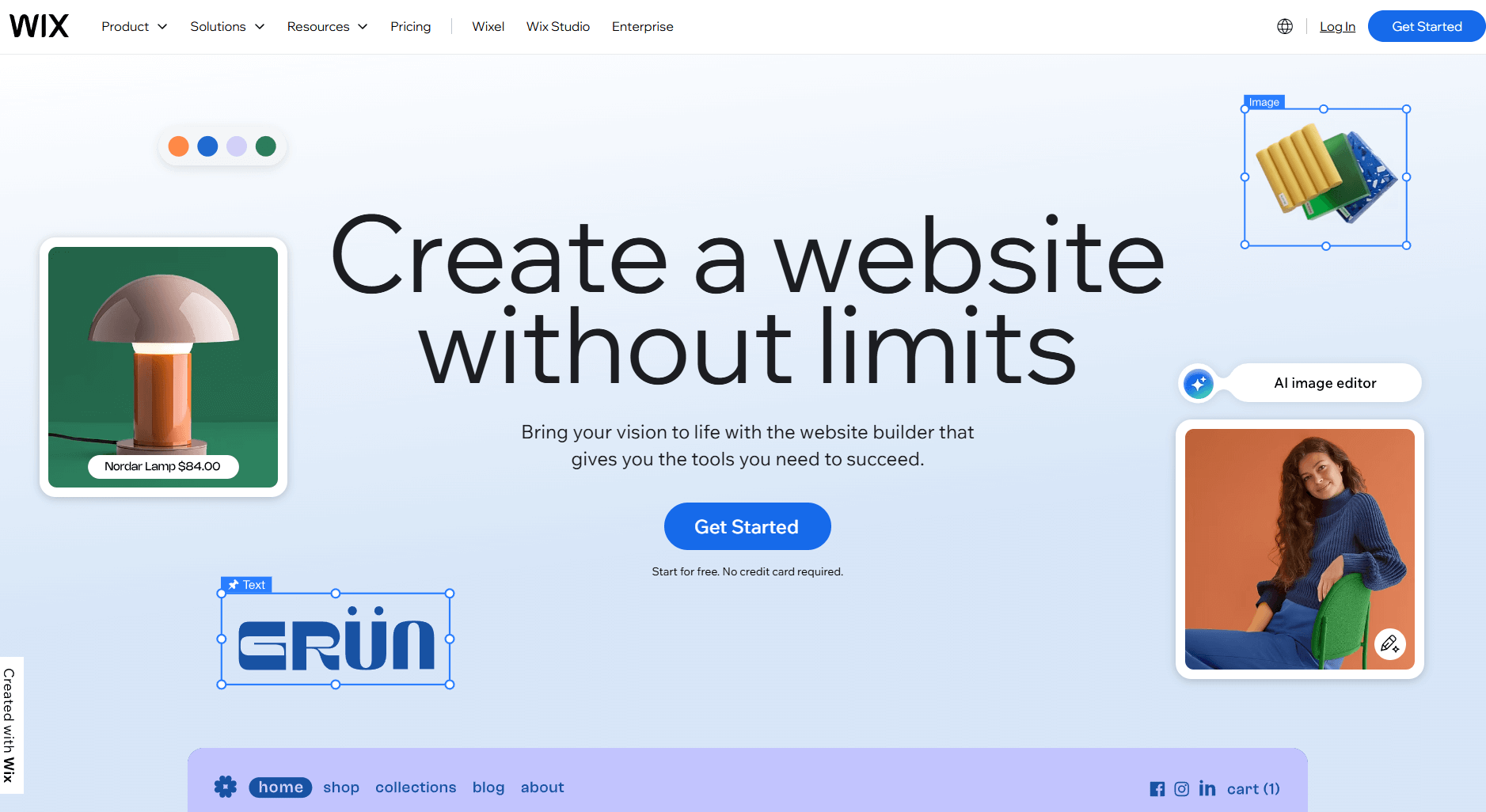
6. Wix E-commerce: Best for Beginners
Wix e-commerce is a good choice for small businesses that want a simple website builder with basic SEO tools included. It is easy to use and offers guided SEO settings that help beginners optimize their online stores without technical knowledge.
Wix allows users to edit URL slugs, metadata, structured data, indexability settings, and other important SEO elements. It is a practical option for local businesses, small product catalogs, and merchants that need to launch quickly.
Still, Wix is less suitable for large e-commerce websites or stores with complex technical SEO needs. As the catalog grows, merchants may find limitations in scalability, advanced customization, and performance optimization.
Best for: beginners, small stores, local businesses, and simple product catalogs.
7. Squarespace Commerce: Best for Small Visual Stores
Squarespace Commerce is best for small brands that need a visually polished online store with simple SEO settings. It works well for creative businesses, lifestyle brands, artists, and merchants with smaller catalogs.
The platform includes basic SEO features such as editable titles and descriptions, automatic sitemaps, clean templates, and easy content management. It is straightforward to use and does not require much technical experience.
However, Squarespace has limited technical SEO flexibility compared with platforms like Adobe Commerce, WooCommerce, BigCommerce, or Shopify. It is not the best choice for large catalogs, complex filtering, advanced SEO testing, or highly customized e-commerce architecture.
Best for: creative brands, small stores, simple catalogs, and visually driven e-commerce websites.

Common SEO Mistakes When Choosing an E-commerce Platform
Choosing an e-commerce platform based only on price, design, or ease of launch can lead to SEO problems later. A platform may seem convenient at first, but if it limits technical control, content flexibility, or performance, it can restrict organic growth as your store expands.
When you compare e-commerce platforms for SEO, avoid these common mistakes:
- Ignore Technical SEO Control: Some platforms include basic SEO settings but restrict access to advanced elements such as canonical tags, robots.txt, XML sitemaps, redirects, schema markup, and indexation rules. These features become more important as your store grows.
- Choose a Platform With Poor Page Speed: Heavy themes, weak hosting, too many apps, or unoptimized code can slow down product and category pages. Since performance affects both user experience and search visibility, speed should remain a key factor in platform selection.
- Overlook URL Structure Limitations: Clean, readable, and customizable URLs help search engines understand your store structure. Limited URL control makes it harder to optimize product pages, categories, filters, blog posts, and international pages.
- Rely Too Much on Apps or Plugins: SEO apps and plugins can help, but too many can increase costs, slow down your store, or create technical conflicts. A good platform should provide strong built-in SEO features with room for carefully selected extensions.
- Forget About Scalability: A platform that works well for a small catalog may struggle with thousands of products, variants, filters, and categories. Large stores need strong duplicate content control, crawl management, internal linking, and scalable metadata optimization.
- Underestimate Content Features: SEO does not stop at product pages. Blog posts, buying guides, landing pages, comparison pages, and educational content help e-commerce websites rank for more search queries. Weak content management can limit long-term organic growth.
- Skip Planning for Migration Risks: If you need to switch platforms later, poor migration planning can cause traffic loss. Redirects, metadata, URLs, structured data, and internal links must stay intact to avoid ranking drops.
Get in touch
with our expert
Discuss your project requirements and get a free estimate.
Get in touch
with our expert
Discuss your project requirements and get a free estimate.
How to Improve SEO Regardless of Platform
Even the best e-commerce platform will not guarantee strong rankings by itself. To improve organic visibility in an e-commerce everywhere environment, you need to combine the platform’s SEO features with regular optimization, technical maintenance, and content updates.
1. Optimize Product and Category Pages
Use unique title tags, meta descriptions, H1s, product copy, image alt text, and internal links. Avoid duplicate manufacturer descriptions and make sure key commercial pages clearly match search intent across your e-commerce everywhere strategy.
2. Improve Page Speed
Compress images, reduce unnecessary scripts, use lightweight themes, and monitor Core Web Vitals. Faster pages improve user experience and help search engines crawl your store more efficiently in an e-commerce everywhere setup.
3. Create Helpful Content
Publish buying guides, comparisons, FAQs, blog posts, and landing pages that answer customer questions. This helps your store rank for more informational and commercial keywords within an e-commerce everywhere approach.
4. Use Structured Data
Add product, review, price, availability, breadcrumb, and FAQ schema where relevant. Structured data helps search engines better understand your pages and can improve how your store appears in search results across e-commerce everywhere channels.
5. Strengthen Internal Linking
Connect related products, categories, blog posts, and guides. Strong internal linking helps users navigate your store and helps search engines identify your most important pages in an e-commerce everywhere ecosystem.
6. Monitor Technical SEO
Check your sitemap, redirects, broken links, duplicate content, indexation issues, and search performance regularly. Ongoing monitoring helps prevent small SEO issues from turning into traffic or revenue losses in an e-commerce everywhere environment.
Key Takeaways
Choosing the best e-commerce platform for SEO depends on your store size, technical needs, and long-term growth goals, not just popularity. That said, no platform guarantees rankings. Sustainable SEO success relies on fast performance, a clear site structure, optimized pages, and consistent improvements.
Ready to turn your e-commerce store into a powerful growth engine? Partner with Transform Agency to choose the right platform, improve technical performance, and optimize your website for search and conversions.
FAQ
Which e-commerce platform is best for SEO?
The best e-commerce platform for SEO depends on your store size and needs. Shopify and BigCommerce are easy to manage, WooCommerce is strong for content, and Adobe Commerce / Magento is best for complex, large-scale stores.
Is Shopify good for e-commerce SEO?
Yes, Shopify is good for SEO for small and mid-sized stores. It includes basic SEO tools, automatic sitemaps, mobile-friendly themes, and SEO apps, but offers limited URL structure control.
What SEO features should an e-commerce platform have?
A good e-commerce platform should support metadata editing, clean URLs, fast performance, mobile optimization, redirects, canonical tags, XML sitemaps, structured data, and content management.
What is the best e-commerce platform for large catalogs?
Adobe Commerce / Magento is often best for large catalogs because it offers strong technical flexibility, advanced catalog management, and scalable SEO settings.

Expert in creating engaging written content. Skilled at analyzing audience behaviors and refining strategies to align business goals with customer interests. Proven ability to craft content that connects deeply with audiences. Passionate about staying current with trends to boost engagement.
Expert in creating engaging written content. Skilled at analyzing audience behaviors and refining strategies to align business goals with customer interests. Proven ability to craft content that connects deeply with audiences. Passionate about staying current with trends to boost engagement.