
0%
With over 4.8 million live Shopify stores competing for attention, the platform's potential is immense, yet overwhelmingly crowded.
For an aspiring entrepreneur, this sheer scale makes it difficult to distinguish true success stories from the noise. The search for reliable, actionable inspiration among shopify dropshipping store examples becomes a needle in a haystack, which often results in misguided efforts and wasted resources.
This article solves that problem. Here, we highlight only the top Shopify dropshipping stores: real, profitable examples that work. We show you the exact strategies they use, starting with sharp product selection and followed through with professional Shopify website development. This combination is what builds their profitable stores. You'll get a clear blueprint to follow.
What is a Shopify Dropshipping Store?
It’s the simplest way to sell on Shopify without inventory. This online business model lets you sell products directly to customers without ever handling stock. It combines two key concepts:
- Shopify – A powerful and user-friendly e-commerce platform. It provides the "storefront"—the website where you showcase products, process payments, and manage customers.
- Dropshipping – A fulfillment method where you, the store owner, do not keep products in stock. Instead, you partner with a third-party supplier. When a customer places an order in your store, you purchase the item from the supplier, who then ships it directly to the customer.
In short, Shopify handles the online store, and dropshipping handles the inventory and shipping. Your primary role is to market the products, manage customer service, and curate the brand experience.
Here’s how the basic flow works:
- Step 1: You create a Shopify store and list products sourced from a supplier (often from platforms like AliExpress, Spocket, or wholesale distributors).
- Step 2: A customer visits your store and places an order, paying you the retail price.
- Step 3: You receive the order and, using a small portion of the customer's payment, purchase the product from your supplier at the wholesale price. You provide the customer's shipping details.
- Step 4: Your supplier packages and ships the product directly to your customer. You never see or handle the physical item.
- Step 5: You keep the profit (the difference between the retail price you charged and the wholesale price you paid).
This model lowers the startup barrier because it removes the need to buy inventory or manage a warehouse. Success depends on three key actions: professional Shopify website development, sharp product selection, and targeted digital marketing. The top stores on our list have mastered this method to start highly profitable Shopify businesses.
What Makes a Dropshipping Store Successful?
While each store sells different products, the foundational strategies of the most successful Shopify dropshipping stores share a clear pattern. Before we examine our top 10 list, understand these non-negotiable traits that separate profitable stores from the rest.
1. Professional Brand Identity
The best Shopify dropshipping stores do not look like generic templates. They invest in a cohesive brand identity—a memorable logo, a consistent color palette, and high-quality visuals. This professional presentation builds immediate trust and credibility with visitors.
2. Problem-Solving Product Focus
Success rarely comes from random products. Top stores sell clear solutions. They address a specific customer pain point, whether it’s a need for convenience, an emotional desire, or a lifestyle improvement. Their product pages speak to benefits, not just features.
3. Optimized Customer Experience
A seamless journey from visit to checkout is critical. This requires deliberate Shopify website development for fast load times, mobile-friendly design, intuitive navigation, and clear policies (shipping, returns, contact). Trust signals like customer reviews and secure payment badges are always present.
4. Strategic Marketing Precision
These stores know their exact target audience and the best channel to reach them. They master a primary marketing method, whether through targeted Facebook ads, influencer partnerships, SEO-driven content, or viral social media campaigns. Their messaging is consistent and compelling.
5. Value Beyond Price Competition
Profitable stores avoid the race to the lowest price. They build perceived value through strong branding, curated product descriptions, professional photos, and bundles. This allows for healthy profit margins and attracts customers who buy into the brand story.
Top 10 Profitable Dropshipping Stores
The best way to learn is by example. Below, we break down ten real stores that have successfully turned the dropshipping model into a significant source of profit.
1. Inspire Uplift
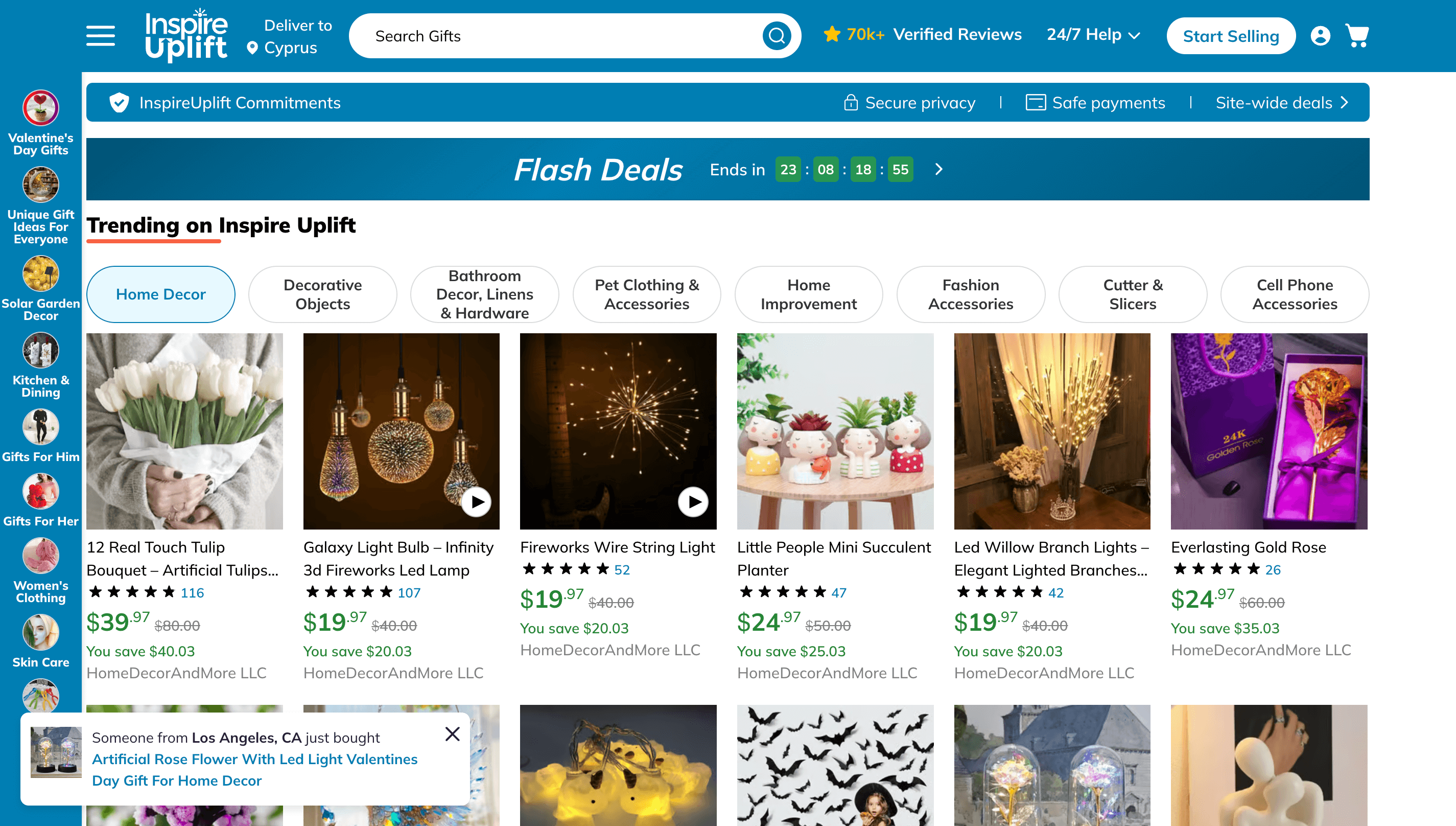
Niche: Viral Gadgets & Home Goods
This massive general store thrives on rapid tests and data. It uses advanced Facebook ad targeting to scale winning products like quirky gadgets at high volume. A key to its operation is a vast network of reliable suppliers that enable fast shipping.
Their formula is the "Problem-Agitate-Solve" video ad. Ads start with a common frustration (tangled cords, messy spaces), amplify the annoyance, then introduce their gadget as the hero. This hook drives impulsive buys.
For winning products, they often switch to US-based fulfillment partners or suppliers with US warehouses. This lets them advertise "10-15 Day Shipping" instead of "30+ Days," which slashes refund requests and boosts trust.
Key Takeaway: Scale in a general store demands relentless product tests, sophisticated ad strategies, and a bulletproof supply chain.
2. Warmly Decor
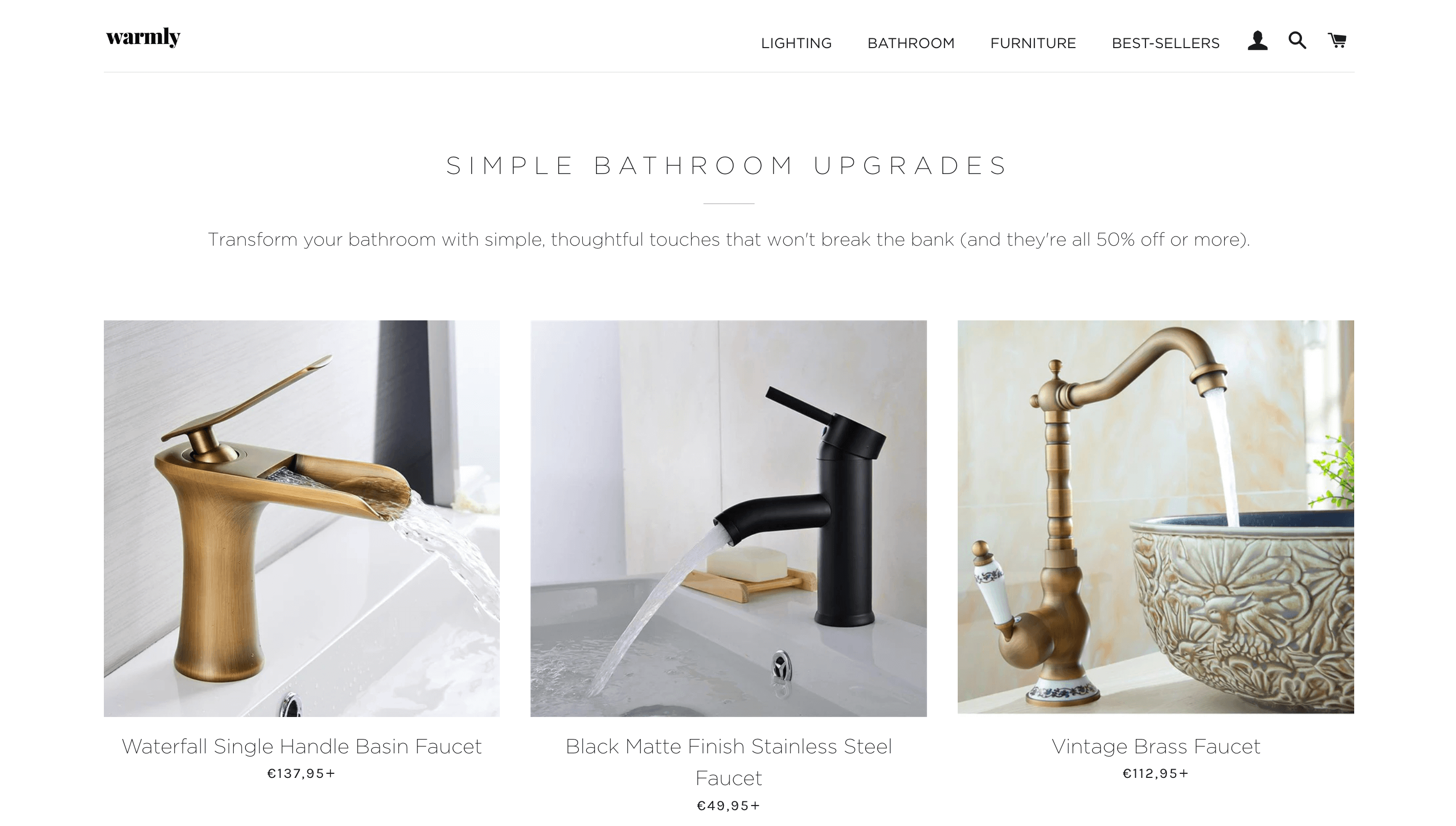
Niche: Premium Home Decor & Lighting
Warmly breaks the "cheap" dropshipping stereotype. It sources higher-quality, design-forward furniture and decor to justify premium prices. The store invests in professional, magazine-style photography and curated collections to build an aspirational brand experience that earns customer trust for larger purchases.
They use a "Shop the Look" strategy. Instead of isolated product shots, they create full, styled room scenes. This sells a lifestyle and vision, encouraging customers to buy multiple pieces to achieve the same aesthetic. Warmly commissions or stages its own photography, creating a cohesive, exclusive feel that justifies 3-4x price markups.
Key Takeaway: Compete on quality and brand aesthetics, not just price. Superior presentation justifies significant markups.
3. Best Choice Products (BCP)
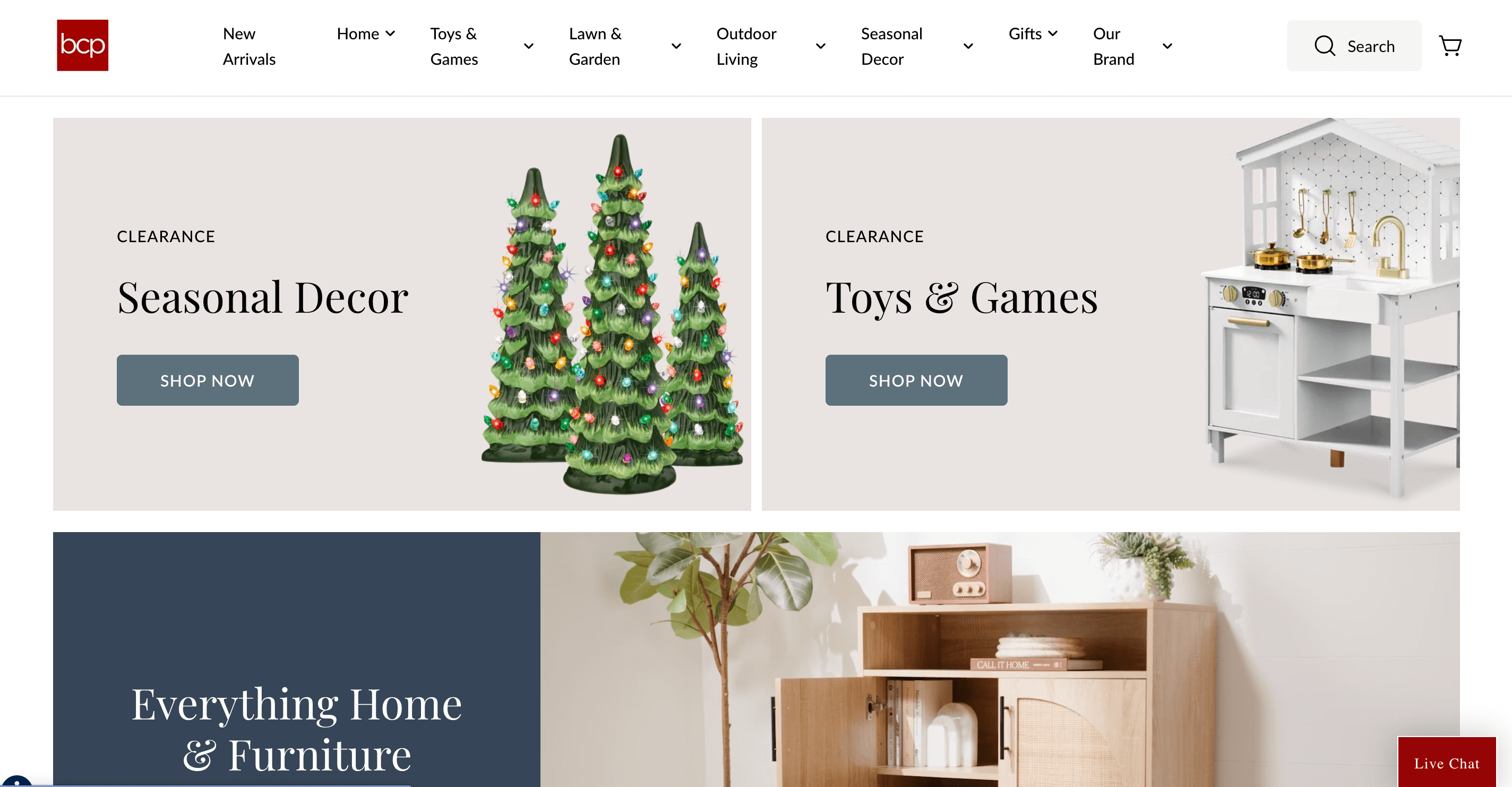
Niche: Outdoor Furniture & Home Goods
BCP operates like an online retail giant. It dominates Google search results for terms like "best patio set" because of heavy SEO investment and a large library of customer reviews and videos. This content engine builds the trust needed for considered, higher-ticket purchases.
They create definitive "Buyer's Guide" blog posts and comparison articles. By thoroughly answering customer questions, they capture high-intent search traffic and position themselves as the expert authority. BCP accumulate and showcase thousands of user-generated photos and videos in their reviews. This social proof builds immense trust for these considered, higher-ticket purchases.
Key Takeaway: For higher-priced items, detailed content and social proof are your most important sales tools.
4. The Comfy
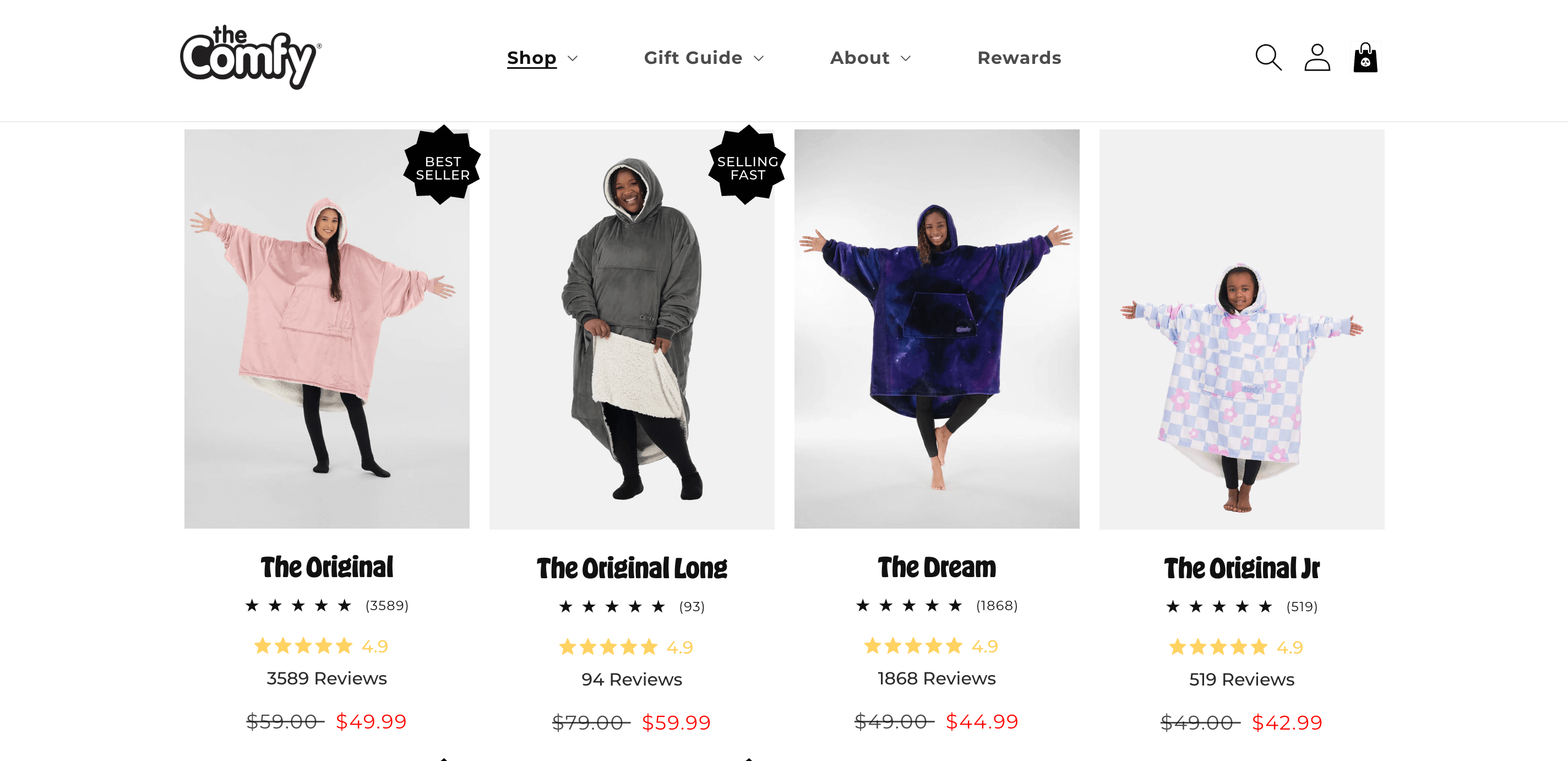
Niche: Wearable Blankets
The Comfy offers a masterclass in viral product branding, launching with a single, innovative wearable blanket. To ignite a cultural moment, it executed a coordinated "blitz" across TikTok and Instagram, leveraging both micro and macro-influencers with a simple brief: create hilarious, cozy videos. This strategy generated a flood of authentic, peer-driven content that felt organic, not like a traditional ad.
The brand built a fun, meme-worthy identity around universal comfort, transforming the product from just a blanket into "The Comfy"—a relatable personality and experience that became a household name.
Key Takeaway: When you find a winning product, commit fully with a unified, scalable marketing message that taps into universal emotions.
5. Dossier
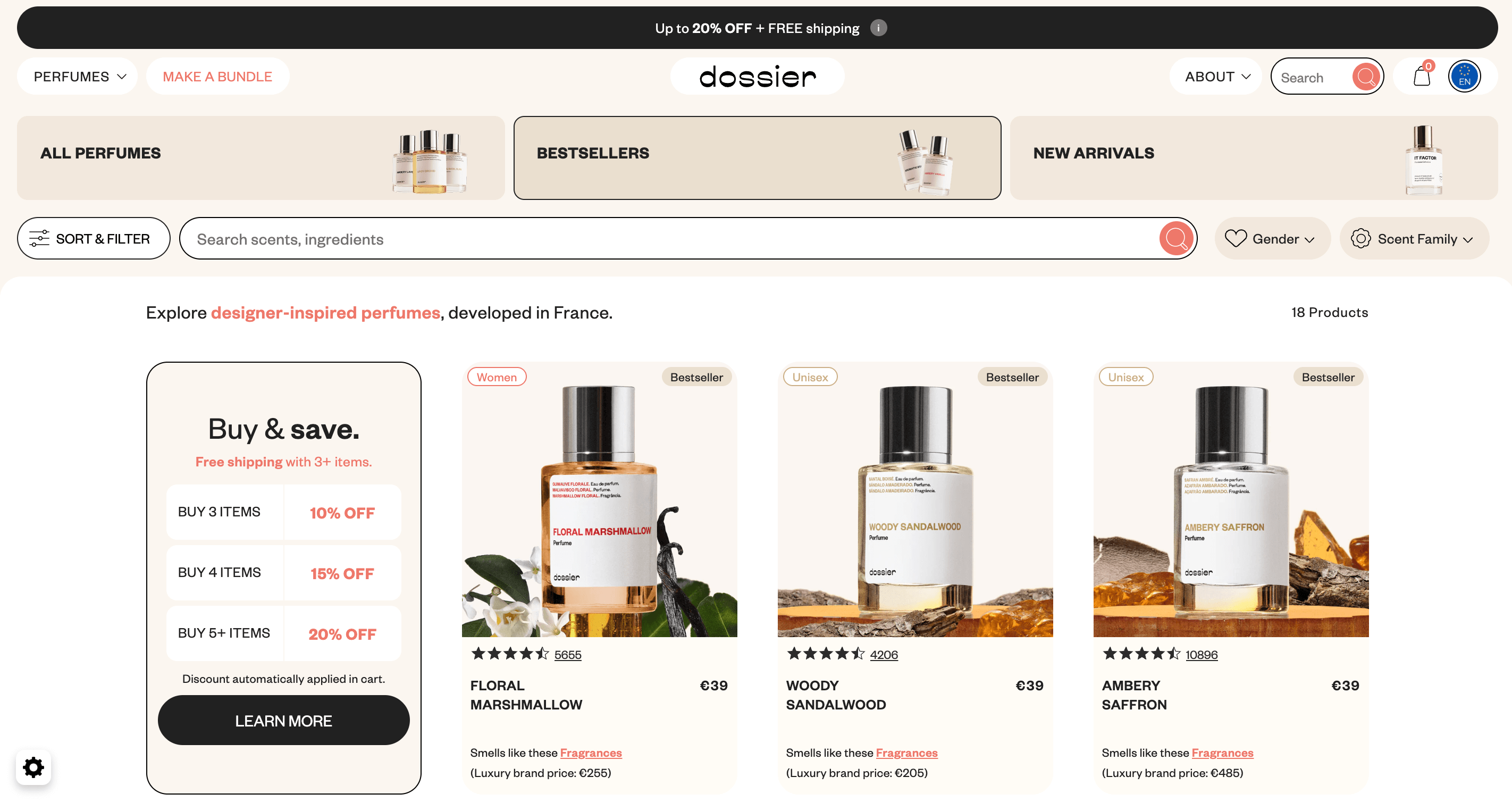
Niche: Luxury-Inspired Fragrances
Dossier disrupted the perfume industry with a transparent, direct-to-consumer model, offering high-quality scents inspired by popular luxury perfumes at a lower cost. The brand's clean, apothecary-style minimalist design communicates quality and transparency—a direct contrast to the opaque glamour of traditional perfume houses.
This educational approach is reinforced on product pages with detailed scent breakdowns and direct comparisons, such as noting “Our Woody Sage is inspired by Jo Malone's Wood Sage & Sea Salt.” By framing the purchase as an informed, smart alternative, Dossier turns customers into confident buyers.
Key Takeaway: You can enter a crowded market when you offer transparent value and educate your customer.
6. Gymshark (Early Model)
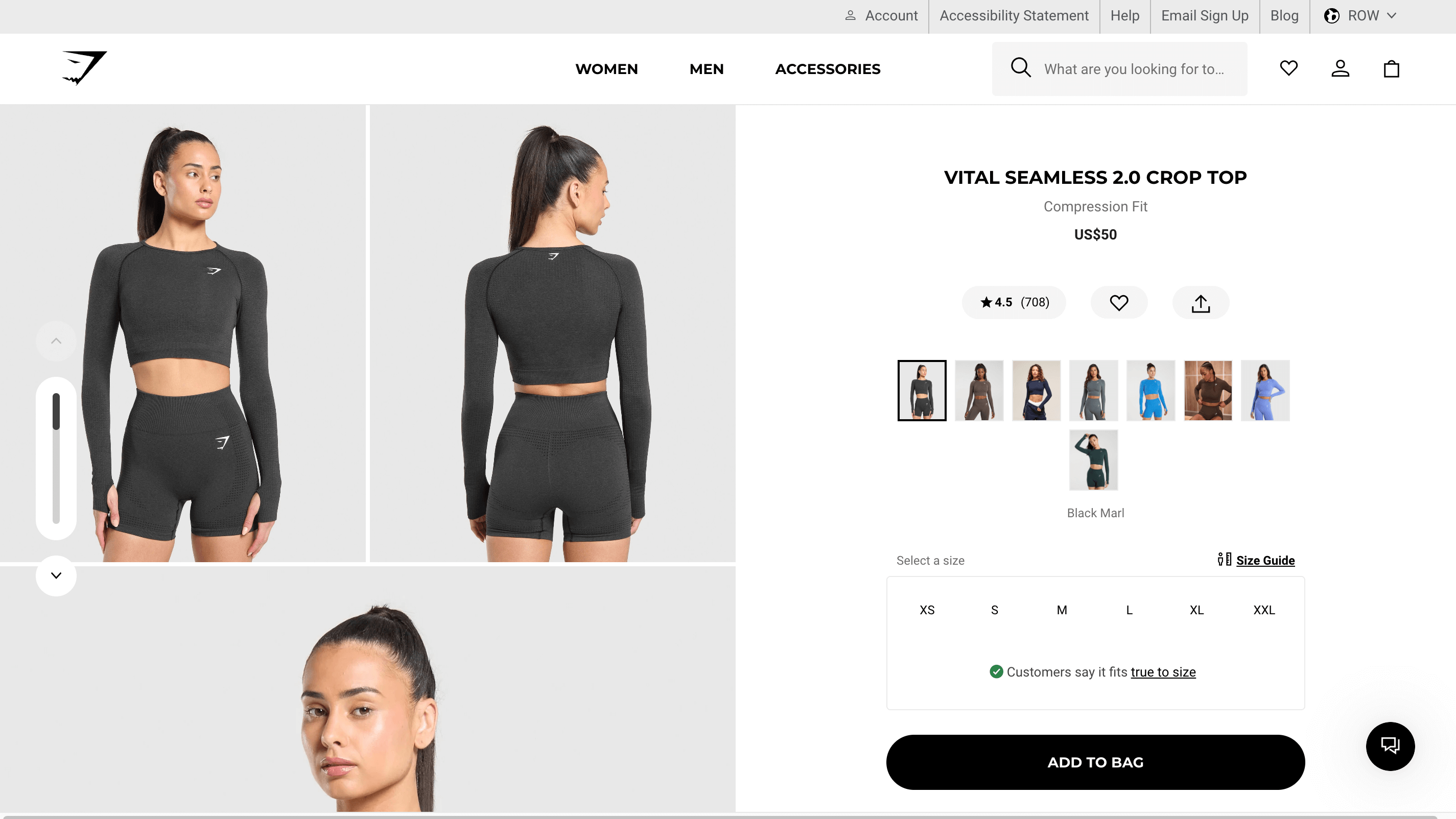
Niche: Fitness Apparel
Before holding inventory, Gymshark’s founder tested designs using print-on-demand and strategic sourcing. The brand’s breakthrough came from a community-first approach: instead of paying for ads, they gifted products to up-and-coming fitness athletes on Instagram. These micro-influencers naturally integrated the apparel into their workout content, creating authentic visibility and turning them into loyal brand ambassadors. This strategy fostered a powerful, grassroots community that grew alongside the company and fueled its explosive early growth.
Key Takeaway: Build a brand with a community, not just for customers. Authentic relationships with micro-influencers can be more powerful than paid ads.
7. Wayfair (Early Growth Strategy)
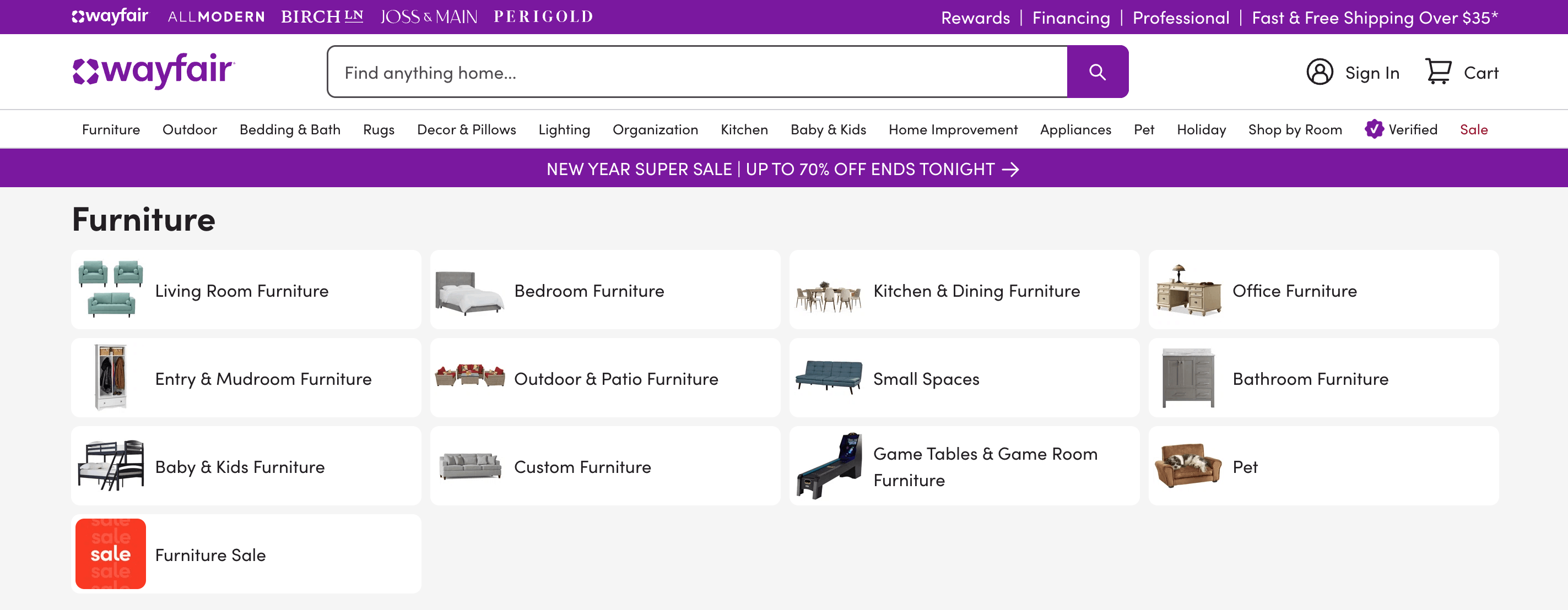
Niche: Massive-Scale Home Goods & Furniture
In its early days, Wayfair mastered the "inventory-less" model by leveraging thousands of suppliers to compete on sheer abundance rather than curation. Its strategy was to become a one-stop online shop with an unparalleled selection, building a brand on endless choice and competitive pricing. This "big box store" approach captured a massive audience seeking convenience and variety.
The key to making this model work was a proprietary technological platform designed to seamlessly onboard and integrate suppliers, automating the complex logistics that enabled its vast front-end selection.
Key Takeaway: You can build a dominant presence by solving for selection and logistics at scale. A focus on operational technology and supplier relationships can be a more powerful moat than a narrow aesthetic.
8. Blueland
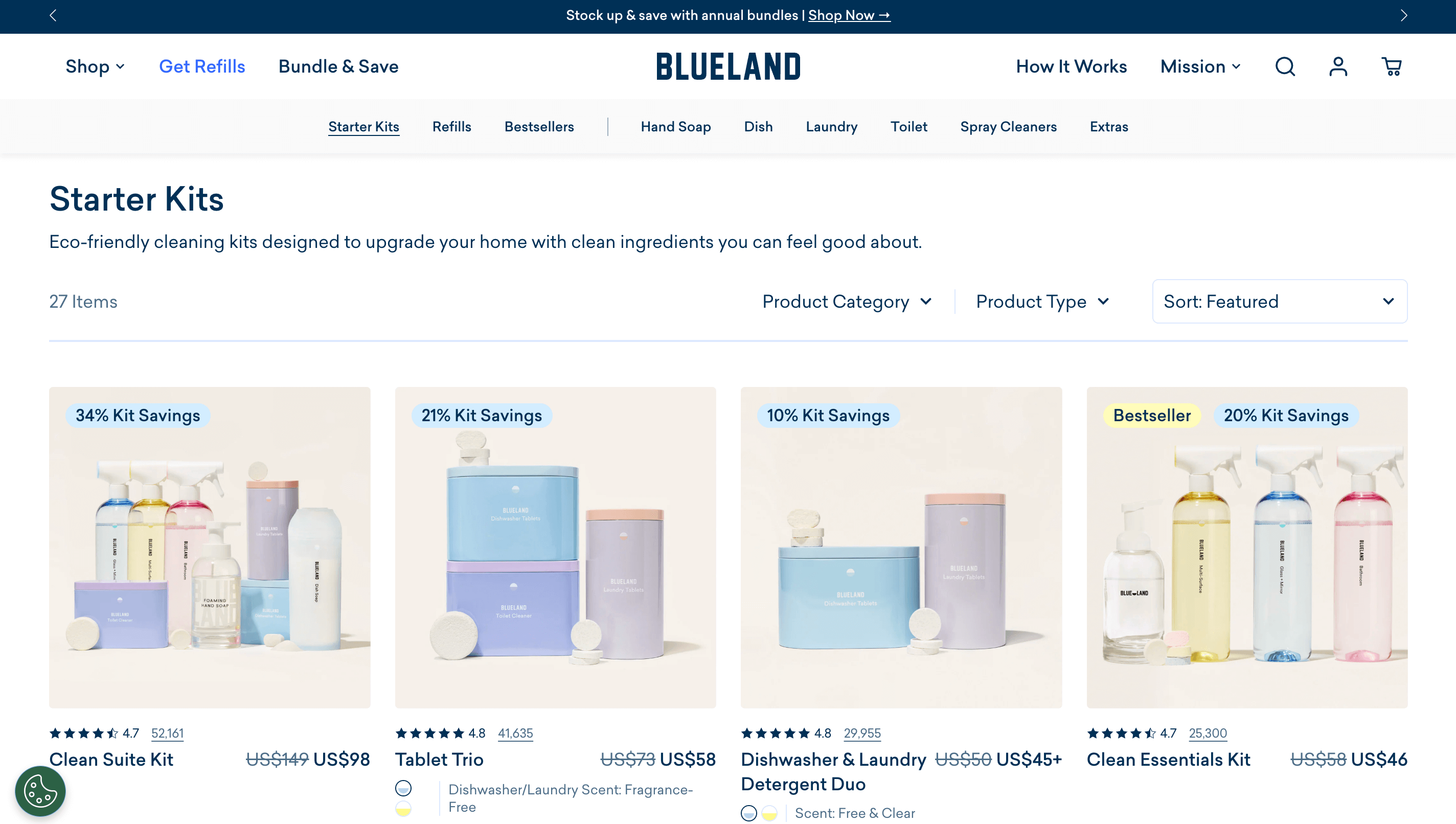
Niche: Eco-Friendly Cleaning & Home Care
Blueland disrupted the mundane cleaning product aisle by eliminating single-use plastic with its innovative model: beautifully designed, reusable containers paired with dissolvable tablets shipped in compostable paper. This turned a routine purchase into a conscious choice for sustainable living. The brand reinforces this mission through content focused on the stark reality of plastic waste, using clear visual demos and authentic partnerships with eco-influencers to highlight both effectiveness and purpose.
Completing the transformation, their minimalist pastel packaging and sleek bottle designs rebrand cleaning supplies from hidden necessities into visible, desirable home accessories that align with a modern, eco-friendly lifestyle.
Key Takeaway: You can disrupt a massive, commoditized market by combining a powerful mission (sustainability) with superior design. Reframe a routine product as a choice that reflects the customer's values and aesthetics.
9. OMG Accessories
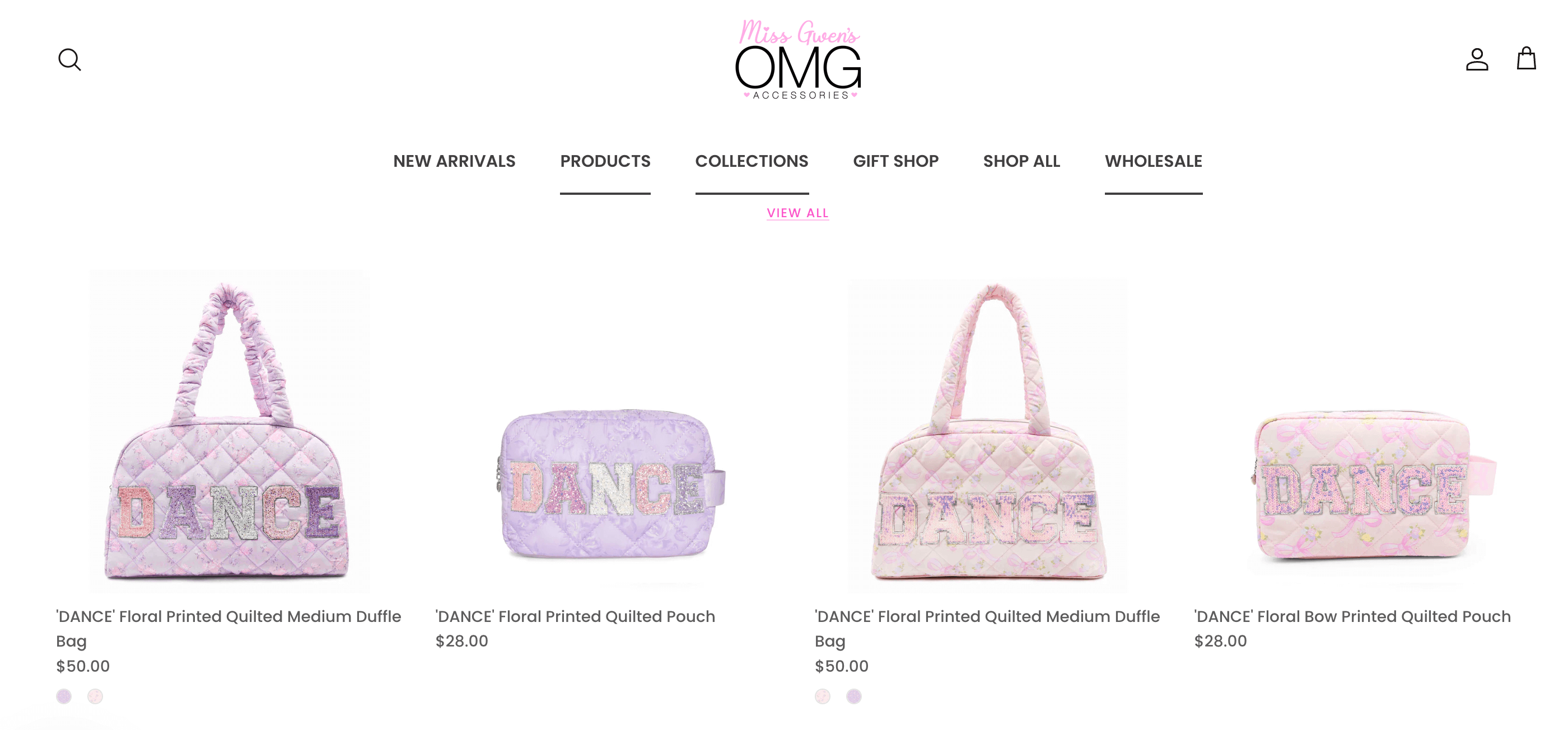
Niche: Trend-First Fashion Jewelry
These stores dominate impulse purchases because they chase trends on visual platforms like TikTok and Instagram. They deploy tools such as the TikTok Creative Center to spot viral aesthetics and hashtags, then they source matching, affordable jewelry with speed. Their marketing relies on authentic "haul" and "try-on" videos, often made with nano-influencers, and they optimize this content for instant purchases through shoppable posts and Instagram Stories. This model turns viral moments into direct sales.
Key Takeaway: In fast-fashion niches, your competitive edge is speed. Build systems to identify and capitalize on trends within days.
10. Public Goods
Niche: Sustainable Household & Personal Care Essentials
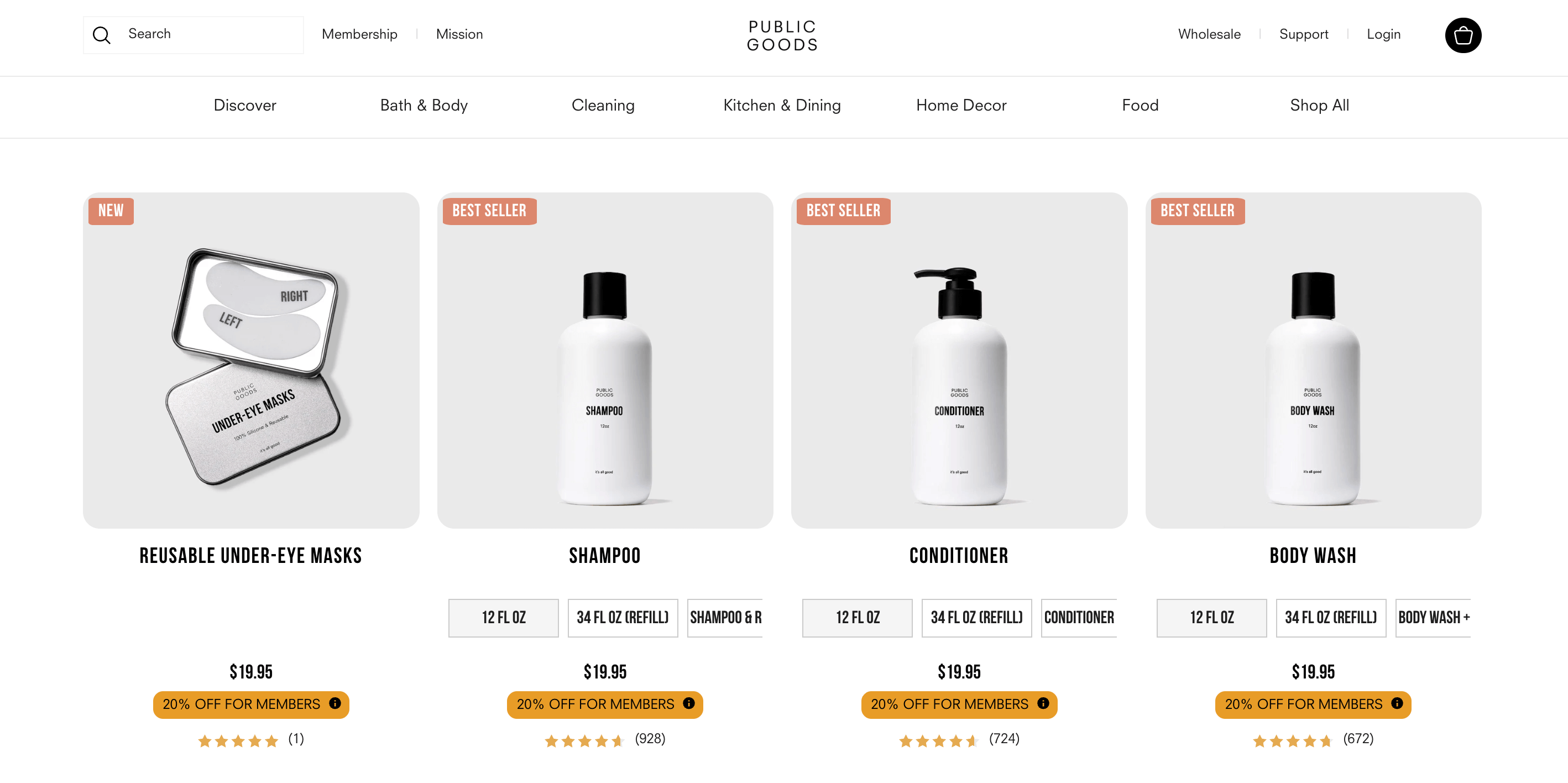
Public Goods uses a membership model to offer a curated selection of sustainable, high-quality essentials. Its tightly edited catalog includes items like bamboo toilet paper and plant-based cleaners, with a focus on minimalist design, transparent sourcing, and reduced plastic. This approach transforms basic goods into a deliberate lifestyle choice.
The brand employs ultra-clean, apothecary-style branding with simple black and white labels to communicate purity, quality, and transparency. This aesthetic positions their products as premium yet essential, appealing directly to design-conscious and eco-aware consumers.
Public Goods built a cohesive, trusted brand where every item adheres to consistent high standards of design and sustainability. This gives customers a clear reason to purchase their staples from Public Goods instead of a conventional big-box retailer.
Key Takeaway: You can command loyalty and higher margins in a crowded market by combining a strong ethical stance (sustainability) with a consistent, premium brand identity. Make the everyday choice an expression of customer values.
Common Dropshipping Pitfalls to Avoid
It's smart to copy what works, but it's even smarter to know what doesn't. Here are the big mistakes that stop most new stores cold, so you can avoid them.
Pitfall | Why It's a Problem | How to Avoid It |
The Passive Mindset | A launched store does not attract customers on its own. This leads to zero sales despite a great-looking site. | Treat marketing as your core activity. Secure a traffic source (ads, social media, SEO) before you launch. |
Poor Supplier Vetting | Choosing the cheapest supplier without research causes slow shipping, bad quality, and no support, destroying your reputation. | Order samples first. Check supplier ratings and communication. Use vetted platforms like Spocket or CJdropshipping. |
Competing on Price Alone | Selling common products at the lowest price kills your profit margin and attracts disloyal customers in a crowded market. | Add unique value through branding, bundles, or content. Target a specific audience and solve their problem. |
Neglecting Customer Service | Customers hold you responsible for all issues. Poor service leads to chargebacks, bad reviews, and permanent brand damage. | Set clear shipping expectations. Use tracking updates. Respond to inquiries fast and handle supplier issues privately. |
Inconsistent "Template" Branding | A generic store with default photos destroys trust. It signals a low-effort, unreliable business to customers. | Invest in Shopify website development. Create unique logos, rewrite descriptions, and use original or high-quality images. |
No Budget for Testing | Spending all your capital on setup leaves no funds to market products or scale a winner, stalling the business. | Plan a separate testing budget and use dropshipping apps for product research and ad spy tools to validate demand. |
Ready to Build Your Profitable Store?
Success in dropshipping comes from applied knowledge, not just inspiration. You now have a clear blueprint of what works, what to avoid, and the exact tools needed to build. The principles of branding, problem-solving products, and strategic marketing are your foundation.
The difference between those who dream and those who profit is decisive action. When you're ready to build a store that stands out, our team at Transform Agency specializes in turning these principles into your profitable reality. Your plan is ready, so reach out for expert guidance and begin your journey today.
FAQ
What does a dropshipping website look like?
It looks like a professional brand store, not a generic template. A successful site has a unique logo, cohesive design, high-quality images, clear product descriptions, and customer reviews to build immediate trust and authority.
Is Shopify dropshipping still profitable in 2026?
Yes, but success requires a real business mindset. Profit comes from building a strong brand, choosing problem-solving products, and mastering customer experience—not just listing cheap items. It's more competitive, but far from dead.

Expert in creating engaging written content. Skilled at analyzing audience behaviors and refining strategies to align business goals with customer interests. Proven ability to craft content that connects deeply with audiences. Passionate about staying current with trends to boost engagement.
Expert in creating engaging written content. Skilled at analyzing audience behaviors and refining strategies to align business goals with customer interests. Proven ability to craft content that connects deeply with audiences. Passionate about staying current with trends to boost engagement.