
0%
According to OpenAI’s own data, ChatGPT now has over 700 million weekly active users worldwide, and 28% of employed U.S. adults report using it for work, a number that has more than tripled in just two years.
Yet most Shopify stores are invisible to these AI powered shoppers. Without a proper Shopify ChatGPT integration, your products will not be recommended while competitors capture that traffic.
This guide will show you exactly how to integrate Shopify with ChatGPT through native features or Shopify custom development, optimize your store for the upcoming ChatGPT Instant Checkout Shopify integration, and turn AI conversations into sales.
What is the ChatGPT Shopify Integration?
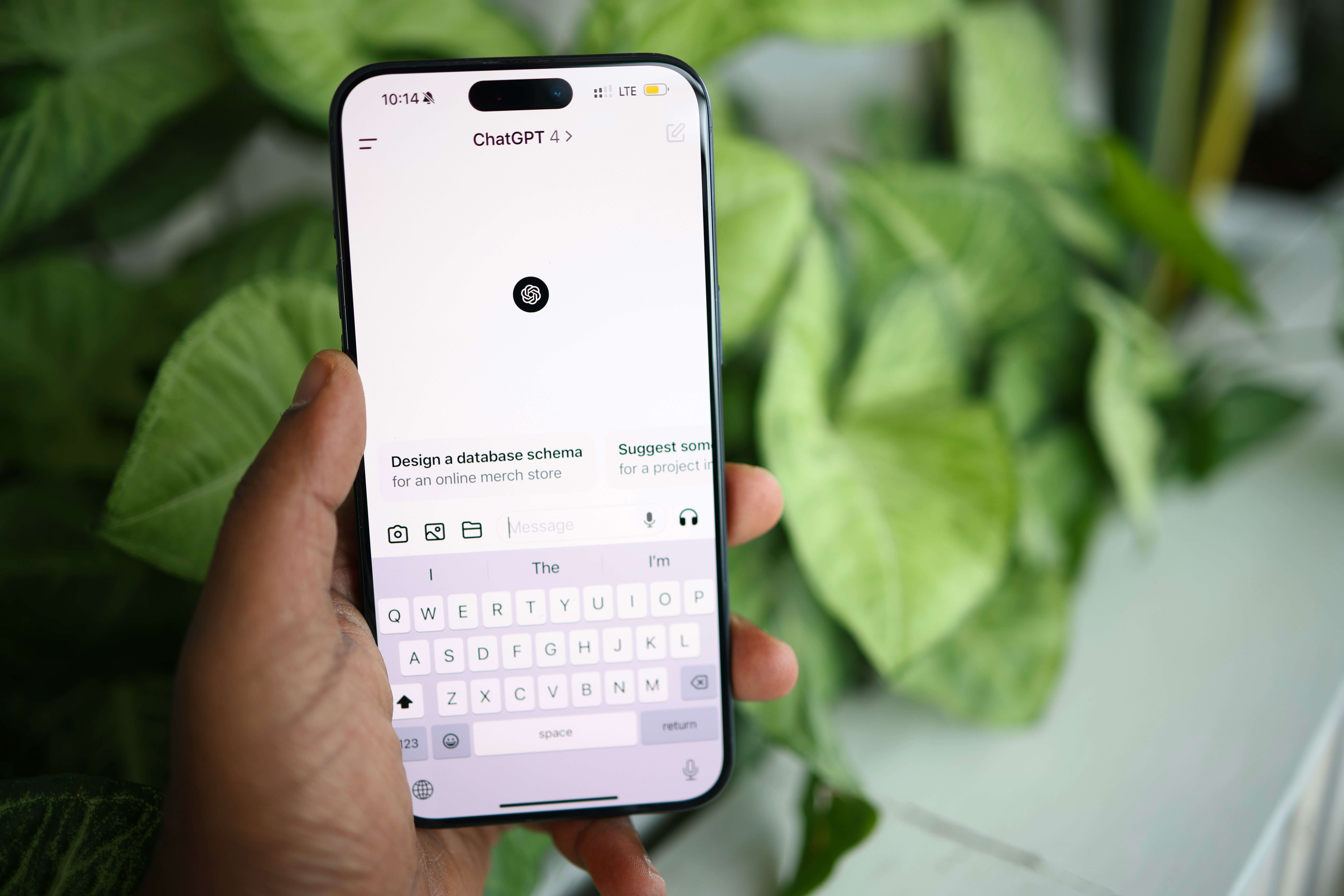
Before diving into the "how," let's clarify the "what." The ChatGPT integration with Shopify is a native feature, developed by OpenAI, that allows ChatGPT to function as an in-chat shopping platform. Instead of just recommending products, ChatGPT can now display them with images, descriptions, and crucially, a "Buy Now" button.
This feature, called Instant Checkout, lets U.S. users purchase eligible products directly inside the chat conversation. No redirect to a merchant site is required. Initially launched with Etsy, support for Shopify merchants is the next major milestone. For you, the store owner, this means a potential new sales channel where an AI assistant handles product discovery and the initial part of the transaction.
How Does the ChatGPT Instant Checkout Work?
The ChatGPT Instant Checkout Shopify integration transforms a shopping conversation into a completed purchase without the customer ever leaving the chat window. Here is the workflow step by step.
- User Shopping Request – A customer asks ChatGPT for product recommendations using natural language, such as "Find me a waterproof backpack under $50.
- Product Display with Buy Button – ChatGPT shows relevant unsponsored products with images, prices, and a "Buy" or "Buy Now" button for stores enabled for ChatGPT Shopify integration.
- Customer Confirms Details in Chat – The buyer provides shipping and payment information directly inside the conversation. No redirect to your website is required.
- Order Handoff via Agentic Commerce Protocol – ChatGPT passes the order details including product, shipping address, and payment token to your Shopify store using the ACP system.
- Payment and Fulfillment by Merchant – Your store accepts or declines the order, processes payment through Stripe, and handles fulfillment with your existing tools.
- Current Limitations – The ChatGPT Instant Checkout Shopify integration supports single item purchases only. Multi item carts and global expansion are coming in future updates.
How to Prepare Your Store for ChatGPT Integration
To get ready for the Shopify ChatGPT integration, you need proactive work on your product data, content, and store settings. Follow these steps to ensure ChatGPT can find, recommend, and sell your products.
1. Optimize Product Data for AI Discovery
Use clear, conversational titles and descriptions. Avoid keyword stuffing because AI models prefer natural language. Mention size, color, material, and ideal use cases so ChatGPT understands what you sell. Well structured product data also improves your visibility in other AI search tools.
2. Enable Customer Reviews and UGC
Product reviews and user generated content help ChatGPT identify your products as high quality. Install a Shopify review app like Yotpo or Judge.me to collect and display customer feedback. Show customer photos and video testimonials on your product pages. Positive review signals increase the chance that ChatGPT recommends your store over competitors.
3. Keep Pricing and Inventory in Sync
Accurate, real time product feeds are essential for any ChatGPT Shopify integration. Out of stock or mispriced items harm your credibility with AI powered shoppers. Use Shopify's native product feed tools to push updates automatically. Avoid vague phrases like "limited stock" without a specific number.
4. Apply for Instant Checkout Access
Sign up for OpenAI’s merchant waitlist for the ChatGPT Instant Checkout Shopify integration. Ensure your Shopify Payments account is active and in good standing. Complete all necessary verification steps in your store admin. Early access gives you a first mover advantage in conversational commerce.
5. Audit Your Brand in ChatGPT Search
Run test prompts like "What are the best [your product category]?" to see if ChatGPT mentions your store. Try different phrasing such as "recommend a [product type] for [use case]." Use this feedback to improve your product descriptions and content strategy. Regular audits help you track changes in AI visibility over time.
6. Create Conversational Q&A Content
Write blog posts and FAQ pages that answer real customer questions in natural language. Structure each FAQ as a clear question followed by a direct answer. This format helps ChatGPT pull accurate information about your products, policies, and shipping. Update this content frequently to stay relevant for AI models.
Key Benefits of ChatGPT Shopify Integration for Store Owners
Early adoption of the ChatGPT Shopify integration gives your store several competitive advantages that go beyond simple product recommendations. Here are the most significant benefits for your business.
- Reduced Friction in the Customer Journey – Shoppers move from discovery to purchase without a redirect. This seamless flow eliminates common drop off points. Customers no longer need to re enter their information on your site.
- Access to a New High Intent Traffic Channel – ChatGPT serves as a discovery engine for millions of weekly users. When your product appears in a recommendation, that shopper arrives with high purchase intent. Early movers will capture traffic before competitors saturate the space.
- Higher Conversion Rates from AI Referrals – A ChatGPT recommendation carries implicit trust because picks are unsponsored and relevance based. Shoppers who buy through Instant Checkout have already completed evaluation. This dynamic leads to higher conversion rates and lower returns.
- Valuable Customer Insight from Chat Data – Customer questions to ChatGPT reveal real intent and pain points. You can analyze these patterns to improve your product pages and FAQs. This feedback loop helps you optimize for both AI and human shoppers.
Potential Drawbacks of the Shopify ChatGPT Integration
Despite the clear advantages, the Shopify ChatGPT integration comes with several limitations and risks. Here is what every store owner should consider along with practical solutions for each issue.
Drawback | Description | How to Solve |
|---|---|---|
Limited Control Over AI Generated Responses | ChatGPT decides how to describe your product based on its own models. You cannot guarantee the assistant will match your brand voice or highlight your key selling points. | Optimize your product descriptions with clear, conversational language and key terms you want the AI to use. Test different prompts regularly to see how ChatGPT describes your products. Use structured data and FAQs to guide the AI toward accurate descriptions. |
Attribution Gaps for Conversational Conversions | OpenAI has not yet released robust analytics dashboards for sales from chat. You may struggle to track which revenue originated from ChatGPT referrals versus other channels. | Use UTM parameters on any links from ChatGPT (if you share them). Set up custom tracking in Shopify using unique discount codes for AI driven sales. Monitor your traffic sources closely and compare periods before and after integration. |
Single Item Purchases Only at Launch | The ChatGPT Instant Checkout Shopify integration currently supports only one product per transaction. Customers who want multiple items must complete separate purchases. | Encourage customers to use your regular website checkout for multi item orders. Offer a discount or free shipping for customers who complete a second purchase. Communicate clearly in chat that multi item support is coming soon. |
Data Privacy and Security Compliance Risks | Customer information such as shipping addresses and payment tokens passes through ChatGPT to your store. You must update your privacy policy and ensure compliance with regulations like GDPR or CCPA. | Consult a legal professional to update your privacy policy for AI driven transactions. Use only Shopify Payments or Stripe for tokenized payment processing. Limit data retention and regularly audit your integration settings. |
Limited U.S. Availability at First | Instant Checkout initially serves only U.S. buyers. International customers cannot use the feature until global expansion rolls out in future updates. | Focus your early ChatGPT optimization efforts on products that appeal to U.S. shoppers. Prepare your international product data now for future expansion. Use alternative AI tools or chatbots for non U.S. audiences. |
Get in touch
with our expert
Discuss your project requirements and get a free estimate.
Get in touch
with our expert
Discuss your project requirements and get a free estimate.
Common Mistakes to Avoid
Many store owners rush to enable the Shopify ChatGPT integration without proper preparation. These frequent errors can hurt your visibility, waste your effort, and reduce sales. Learn from others' mistakes to get it right the first time.
- Poor Product Data Quality – You use short, keyword stuffed titles and vague descriptions. ChatGPT cannot understand what you sell or when to recommend your products. Write clear, conversational language with specific attributes like size, color, and use cases.
- One Time Setup Mentality – You optimize your store once and never touch it again. AI models update frequently, and stale content loses visibility over time. Schedule monthly audits and refresh old descriptions regularly.
- Ignoring Mobile Chat Users – Most ChatGPT interactions happen on mobile phones. If your product images are slow to load or your site is not mobile friendly, you lose sales. Test your store on mobile devices before enabling integration.
- Forgetting to Add Customer Reviews – You launch the integration without any social proof on your product pages. ChatGPT and shoppers both trust products with verified reviews. Install a review app and collect at least 10 to 20 reviews per product first.
- Neglecting Post Purchase Experience – You focus only on getting the sale through chat. But if fulfillment is slow or customer support is poor, those shoppers will not return. Ensure your shipping and support teams are ready for chat driven orders.
- Skipping Regular Brand Audits – You never check how ChatGPT actually describes your store. The assistant might misrepresent your products or miss key features. Run test prompts weekly to see what ChatGPT says about your brand.
Final Thoughts
The ChatGPT Shopify integration compresses discovery, evaluation, and checkout into one conversation. This removes friction points that cause cart abandonment. Store owners who prepare with clean product data and customer reviews will gain a first mover advantage. AI assisted shopping will only grow.
The path to success includes regular product audits, customer reviews, waitlist registration for Instant Checkout, and test prompts to see how ChatGPT describes your brand. AI optimization requires ongoing effort, not a one time setup. Merchants who adapt early will thrive. Your next customer already asks ChatGPT for recommendations, and a prepared store will appear in the answer.
FAQ
Does ChatGPT work with Shopify?
Yes. OpenAI has announced a native ChatGPT Shopify integration that allows customers to discover and purchase products directly inside a chat conversation. Support for Shopify merchants is expected soon after the initial Etsy launch.
Can I integrate AI into Shopify?
Absolutely. Beyond the official ChatGPT integration, you can use many AI tools from the Shopify App Store, including product description generators, chatbots, recommendation engines, and visual content creation tools.
How do I enable Instant Checkout for my store?
Sign up for OpenAI's merchant waitlist for the ChatGPT Instant Checkout Shopify integration. Ensure your Shopify Payments account is active and complete all verification steps. OpenAI will notify eligible merchants when the feature becomes available.

Written with the assistance of Sergey Girlya
Adobe Commerce Business Practitioner | Certified PSM & PSPO at TA
Sergey ensures project success by validating business cases, defining success metrics, and identifying sustainable benefits. His proactive approach leverages existing systems, processes, and data to deliver additional value. Serge excels in planning, executing, monitoring, and controlling all aspects of the project lifecycle, ensuring meticulous attention to detail and strategic oversight.
Sergey ensures project success by validating business cases, defining success metrics, and identifying sustainable benefits. His proactive approach leverages existing systems, processes, and data to deliver additional value. Serge excels in planning, executing, monitoring, and controlling all aspects of the project lifecycle, ensuring meticulous attention to detail and strategic oversight.