
0%
In This Article:
Did you know that organic search drives approximately 33% of all traffic to e-commerce websites? For most online stores, that makes it the single largest and most sustainable source of potential customers.
But an online store alone no longer guarantees visibility. The digital shelf is more crowded than ever, and the old tactics of keyword stuffing and backlink chasing no longer work. Without a sophisticated strategy, your products remain invisible to the very customers who want them. This leaves you trapped in a cycle of expensive paid ads.
This guide provides the blueprint you need, whether you execute it yourself or invest in professional SEO services. We will walk you through a modern, data-driven e-commerce SEO strategy for 2026. It includes intent-based keyword research, technical site optimization, off-page SEO, and authority-building content with link earning. You will learn how to attract high-intent buyers and establish a foundation for sustainable growth.
What Is an E-commerce SEO Strategy?
An e-commerce SEO strategy is a documented plan to increase an online store's visibility in search engine results. It involves a series of targeted actions designed to attract more organic traffic, with the ultimate goal of converting that traffic into paying customers.
Unlike standard SEO, which often focuses on driving traffic to informational content like blog posts, an e-commerce website SEO strategy must balance two distinct objectives. First, it must help product and category pages rank for terms with high commercial intent, queries from users ready to buy. Second, it must build authority and trust through informational content that captures users earlier in their buying journey.
A complete SEO strategy for e-commerce websites addresses four core areas:
- Keyword Research with Intent – Identifying what your customers search for at each stage of the purchase process, from initial research ("best running shoes for marathons") to final decision ("Nike Air Zoom Alphafly sale").
- On-Page Optimization – Structuring product pages, category pages, and content to satisfy both search engine algorithms and user expectations. This includes everything from title tags and meta descriptions to unique product copy and internal links.
- Technical Foundation – Ensuring your site architecture allows search engines to crawl and index your pages efficiently. This means fast load times, mobile responsiveness, and proper management of duplicate content.
- Authority Building – Earning backlinks from reputable sources to demonstrate your store's credibility and trustworthiness in your specific niche.
The most effective e-commerce site SEO strategy weaves these elements together into a cohesive, long-term plan. It recognizes that rankings are never permanent and that consistent effort across all four areas is the only path to sustainable organic growth.
How to Find the Right Keywords for Your Online Store
Before you rank, you must know what your customers actually type into Google. Keyword research for e-commerce is different. Your goal is not just traffic, but traffic that buys.
Search Intent for E-commerce
Every keyword has an intent. For an online store, you need two types:
- Commercial Intent Keywords signal readiness to buy. They include modifiers like "buy," "for sale," or "discount." Product model numbers also fall here. Use these for product and category pages.
- Informational Intent Keywords seek answers or comparisons, like "how to clean leather shoes." Users are not ready to buy immediately, but they represent future customers. Use these for blog posts and guides.
Where to Find Your Best Keywords
- Start with Seed Keywords – List your core products. For a running store, seeds might be "running shoes" and "hydration packs."
- Use Professional SEO Tools – SEO tools like Ahrefs and Semrush show search volume, keyword difficulty, and CPC. High CPC often signals high commercial value. You can also enter competitor domains to see every keyword they rank for.
- Mine Amazon and Google Autocomplete – Amazon autocomplete shows how shoppers describe products. Google autocomplete and related searches reveal real user queries.
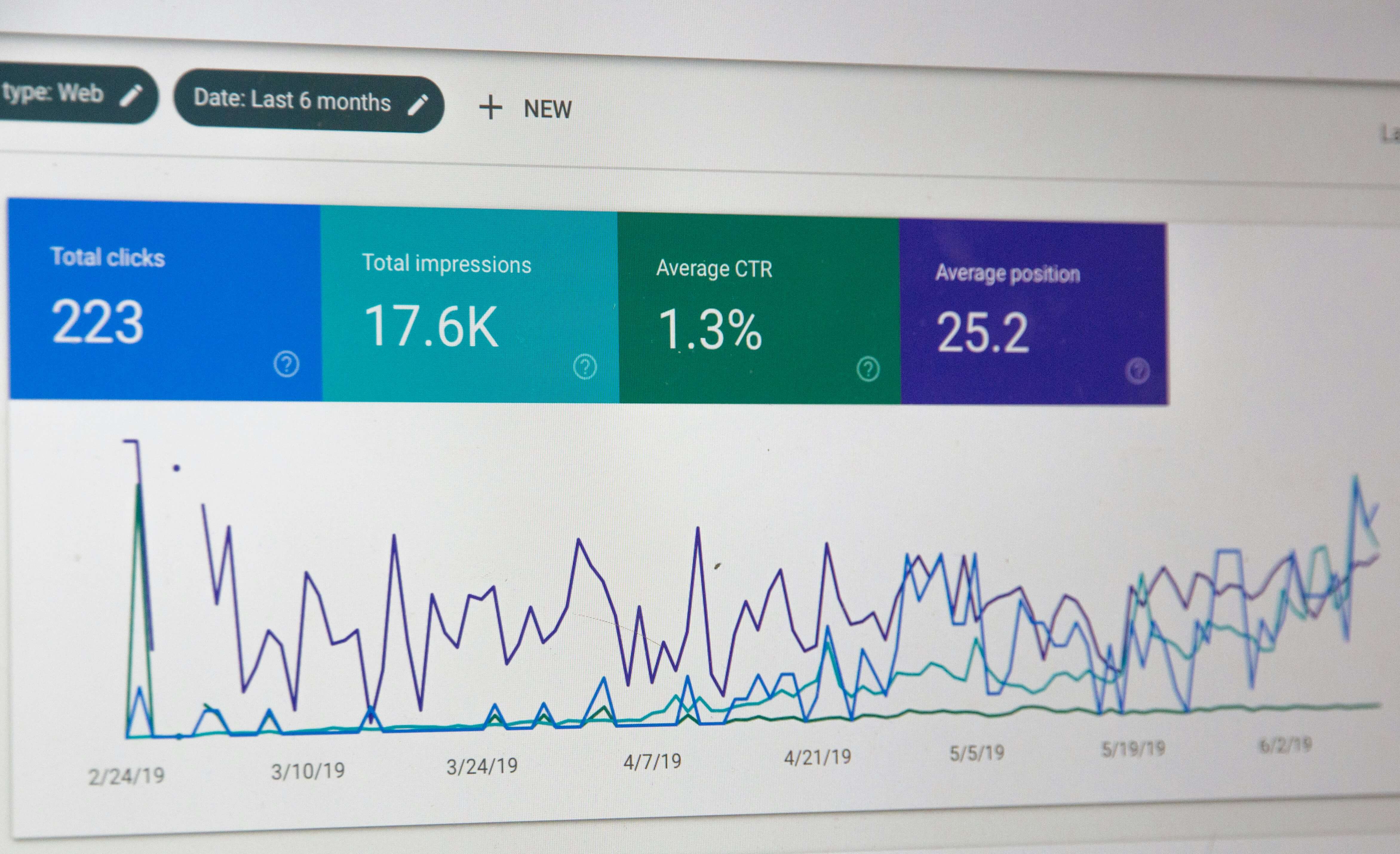
Study Your Own Data – Google Search Console shows queries that already bring traffic. Your internal search data shows what customers want on your site.
Your Keyword Map
Organize keywords by page type:
Page Type | Target Keywords | Example |
|---|---|---|
Category Pages | Broad product lines | "men's running shoes" |
Product Pages | Specific models | "Nike Pegasus 40 men's" |
Blog Content | Informational | "how to choose running shoes" |
Selection Criteria
- Search Volume – Enough people search for it.
- Relevance – Your product satisfies the query.
- Competition – You can realistically rank.
- Intent – Matches the page type.
On-Page SEO for Product and Category Pages
You have your keywords. Now you need to put them on your pages. On-page SEO is the process of optimizing individual pages to rank higher. For e-commerce, this means focusing on category pages and product pages.
1. Title Tags
The title tag is the clickable headline that appears in search results. It is your most important on-page element. For category pages, place your primary keyword near the front and keep the entire title under 60 characters. For product pages, include the product name, model number, and category to clearly identify what the page offers.
2. Meta Descriptions
The meta description is the short text below your title in search results. It does not directly improve rankings, but it significantly influences whether searchers click on your link. Include your primary keyword naturally and add a clear call to action. Keep your description under 160 characters.
3. URL Structure
Your URLs should be short, readable, and include relevant keywords. Use hyphens to separate words and avoid long strings of numbers or random characters. A clean URL structure helps search engines understand your page hierarchy and improves user experience.
4. Headers
Headers organize your content for both readers and search engines. Every page needs exactly one H1 tag that includes your primary keyword. Use H2 and H3 tags to structure the sections beneath your main headline in a logical hierarchy.
5. Product Descriptions
Never copy and paste manufacturer descriptions. This creates duplicate content that confuses search engines and harms your rankings. Write unique descriptions that explain benefits, not just features. Include secondary keywords naturally throughout the text to build relevance and depth.
6. Image Optimization
Rename every image file before you upload it to your site. Use descriptive, keyword-rich names with hyphens between words. Write alt text that accurately describes the image and includes a keyword where natural. Compress your images to reduce file size, as large images slow down your site and hurt your rankings.
7. Internal Links
Internal links connect one page on your site to another page on your site. They help users discover more products and distribute authority throughout your store. From blog posts, link to relevant category and product pages using descriptive anchor text that tells users what they will find. One or two relevant links per page is sufficient.
8. Structured Data
Structured data is code that helps search engines understand your content more accurately. For product pages, it allows Google to display rich snippets in search results, including star ratings, price, and availability. These enhanced listings stand out and attract more clicks. Implementing structured data requires technical knowledge, but the payoff in visibility is substantial.
Technical SEO for E-commerce Sites
On-page optimization makes your pages relevant. Technical SEO makes them accessible. Without a solid technical foundation, search engines struggle to find, crawl, and index your content. For e-commerce sites with hundreds or thousands of pages, technical issues multiply quickly and can silently destroy your rankings.
Technical Element | What It Means | Why It Matters |
|---|---|---|
Site Architecture | A logical hierarchy from homepage to category to product in as few clicks as possible. | Helps search engines discover all your content and distributes authority throughout your site. |
URL Structure | Clean, descriptive URLs that reflect your site hierarchy and include keywords. | Tells search engines what a page contains before they crawl it. Preserves authority when you use 301 redirects for changes. |
Canonical Tags | A tag that tells search engines which version of a page is the master copy. | Prevents duplicate content issues by consolidating ranking signals to one preferred URL. |
Noindex Directives | A meta tag that keeps low-value pages out of search engine indexes. | Focuses crawl budget on important pages and prevents thin content from harming site quality. |
Site Speed | Page load time measured by metrics like Core Web Vitals. | Directly impacts user experience and rankings. Slow sites increase bounce rates and lose visitors. |
Mobile Optimization | A fully responsive site that functions flawlessly on smartphones and tablets. | Google uses mobile-first indexing, so the mobile version of your site determines your rankings. |
Pagination | Proper handling of multi-page categories using rel="prev" and rel="next" tags. | Ensures search engines discover all products across multiple pages, not just the first page. |
Out-of-Stock Products | Keeping pages live with status messages or redirecting discontinued items to relevant pages. | Preserves built-up authority and prevents wasted link equity from deleted pages. |
Content Marketing and Link Building
On-page and technical SEO prove you have a quality site. Content marketing and link building prove others trust you. Let’s dive deeper:
Step 1: Create Content That Serves Two Purposes
Your content must capture users early in their journey and attract links from other sites. Blog posts, buying guides, how-to articles, and videos answer customer questions and build trust. Linkable assets like original research, industry data, infographics, and comprehensive guides give other websites a reason to reference you. Each piece should serve one or both of these functions.
Step 2: Optimize Content for Internal Linking
Every informational piece you create should link to your relevant product and category pages. A guide on choosing running shoes should point readers to your running shoe category. This passes authority from your content to your money pages and guides readers closer to a purchase. Use descriptive anchor text that tells users what they will find.
Step 3: Promote Your Best Assets Actively
Great content does not promote itself. Pitch your original research or comprehensive guides to journalists, bloggers, and industry publications. Write guest posts for reputable sites in your industry, focusing on providing value to their readers. Use tools to identify broken links on other sites and suggest your content as a replacement. Each of these tactics requires outreach but earns valuable backlinks.
Step 4: Build Relationships, Not Just Links
The most sustainable link earning comes from genuine relationships. Engage with industry influencers on social media. Comment thoughtfully on relevant blogs. Connect with journalists and bloggers who cover your niche. When you eventually pitch content or suggest a link, you are not a stranger reaching out cold, you are a familiar name with a helpful offer.
Step 5: Measure What Matters
Track which content earns links and which does not. Monitor your backlink profile for new opportunities and potential toxic links. Watch your organic traffic trends to see which content drives visitors. Use this data to refine your approach, creating more of what works and less of what does not.
Get in touch
with our expert
Discuss your project requirements and get a free estimate.
Get in touch
with our expert
Discuss your project requirements and get a free estimate.
How to Measure ROI and Future-Proof Your Store
You have built your strategy. Now you need to know whether it works. SEO requires continuous measurement and adjustment. The stores that win in 2026 treat SEO as an ongoing process, not a one-time project.
1. Focus on Metrics That Matter
Track metrics that connect directly to business outcomes. Organic traffic shows whether more people find you. Keyword rankings reveal your visibility for specific terms. Conversion rate tells you whether traffic turns into customers. Revenue from organic search is the ultimate measure. Ignore vanity metrics that look impressive but mean nothing.
2. Make Google Search Console Your Daily Habit
Google Search Console shows which queries bring clicks, which pages rank, and what your average position looks like. It alerts you to indexing errors and manual actions before they become crises. Checking it several times per week takes five minutes and can save you months of lost traffic.
3. Watch Competitors Without Obsessing
Competitors constantly optimize their sites and build new links. Use SEO tools to monitor their movements. When a competitor jumps ahead for a key term, investigate what changed. Reverse engineer their success and apply those lessons to your own site.
4. Conduct Quarterly Technical Audits
Technical issues creep in over time. Plugins break. New products launch without optimization. Old content grows stale. Run a full technical audit every quarter. Fix broken links, update thin content, and ensure your site structure still makes sense as your inventory grows.
5. Adapt When Algorithms Change
When major updates hit, resist the urge to panic. Analyze which pages gained or lost traffic. Look for patterns. Did informational content surge while product pages dipped? Use updates as learning opportunities to refine your strategy.
6. Plan for What Comes Next
Voice search, visual search, and artificial intelligence continue to reshape how people find products. Stay informed through industry blogs and trusted newsletters. The willingness to learn and adapt separates stores that thrive from those that fade.
Common E-commerce SEO Pitfalls and How to Avoid Them
Even with the best strategy, mistakes happen. Some pitfalls sink rankings slowly over time. Others cause sudden, catastrophic drops. Knowledge of what to avoid is just as important as knowledge of what to do.
Pitfall | How to Avoid It |
|---|---|
Targeting Keywords Without Commercial Intent | Select keywords with clear commercial intent for product and category pages. Include modifiers like "buy," "for sale," and "discount" in your targets. Reserve informational keywords for blog content that supports your money pages through internal links. |
Copying Manufacturer Product Descriptions | Write unique descriptions for every product. This action eliminates duplicate content and sets you apart from other resellers. Unique content signals expertise to search engines and builds trust with customers. |
Ignoring Technical Issues | Conduct technical audits each quarter. Use tools to crawl your site and identify duplicate content, broken links, slow pages, and mobile issues before they compound and hurt rankings. |
Neglecting Mobile Users | Test your mobile experience on a regular basis. Navigate your own site on a phone. Fix anything that feels clunky or slow. Google uses mobile-first indexing, so your mobile site determines your rankings. |
Deleting Out-of-Stock Products | Keep pages live for temporary stockouts with a clear out-of-stock message. For discontinued items, 301 redirect the URL to the most relevant category or similar product. This preserves your hard-earned authority. |
Building Links Instead of Earning Them | Focus on link earning through valuable content. Create resources that others want to reference. Build relationships in your industry. Sustainable link earning takes longer but lasts forever. Quick fixes evaporate. |
Setting and Forgetting | Give SEO ongoing attention. Monitor rankings, watch competitors, audit your site, and adapt to algorithm changes on a continuous basis. The stores that treat SEO as an ongoing process are the ones that win. |
Ignoring Internal Linking Opportunities | Add links from every blog post and guide to relevant product and category pages. Use descriptive anchor text that tells users what they will find. Internal links distribute authority and guide visitors toward purchases. |
Overlooking Search Intent | Match your page type to the user intent behind each keyword. Product pages should target commercial intent. Blog content should target informational intent. Mismatched intent leads to high bounce rates and low conversions. |
Neglecting Image Optimization | Rename every image file before upload with descriptive, keyword-rich names. Write accurate alt text for each image. Compress files to reduce size and improve page speed. |
Start Building Your Winning Strategy Today
SEO can feel overwhelming. Keyword research, on-page optimization, technical audits, content creation, link earning, performance measurement: each area demands attention. The temptation to delay until tomorrow or next month is strong.
But here is the truth. Every day you wait, competitors move ahead. Every product page left unoptimized is a missed opportunity. Every technical issue ignored is a ranking waiting to fall. You already have everything you need to start. Pick one section from this guide and take action today.
FAQ
What is an e-commerce SEO strategy?
An e-commerce SEO strategy is a plan to increase your online store's visibility in search results. It combines keyword research, on-page optimization, technical improvements, and content marketing to attract organic traffic that converts into revenue.
How do I develop a blog strategy for e-commerce SEO?
Find questions your customers ask before they buy. Write detailed guides that answer those questions. Link from each post to relevant product and category pages. Publish consistently and promote every piece. Over time, your blog builds authority and funnels readers toward purchases.
What is the best e-commerce SEO strategy for 2026?
Prioritize keywords with commercial intent for product pages. Write unique descriptions. Fix technical issues and optimize for mobile. Create content that earns backlinks naturally. Monitor performance and adapt when algorithms change. Treat SEO as ongoing work, not a one-time project.
What tools do I need for e-commerce SEO?
For keyword research and rank tracking, use Ahrefs or Semrush. For technical audits, use Screaming Frog. For site speed, use Google PageSpeed Insights. For mobile testing, use Google's Mobile-Friendly Test. For analytics, use Google Search Console and Google Analytics 4. Most tools offer free versions to start.

Expert in creating engaging written content. Skilled at analyzing audience behaviors and refining strategies to align business goals with customer interests. Proven ability to craft content that connects deeply with audiences. Passionate about staying current with trends to boost engagement.
Expert in creating engaging written content. Skilled at analyzing audience behaviors and refining strategies to align business goals with customer interests. Proven ability to craft content that connects deeply with audiences. Passionate about staying current with trends to boost engagement.