
0%
Revenue in the e-commerce market is projected to reach a huge US$3.89 trillion this year. This rapid growth, however, hides a tough competition among businesses. Old marketing methods are no longer working as well. Companies now face a bigger market but also stronger competition. They must deal with new AI tools, strict privacy laws, and customers who expect every interaction to be smooth and tailored to them.
The main problem for brands today is not just having a website, but having a smart, flexible plan to stand out. Marketers struggle to use powerful new technology while keeping a real human connection. They also need to build customer loyalty when people have endless options and are quick to distrust brands.
This article offers a clear path forward. You will find practical steps for SEO optimization, personalizing your marketing while respecting privacy, how to combine voice and visual search into your strategy, and ways to succeed with new social media shopping features. Use this guide to prepare your strategy for the future with clear advice, plans for each marketing channel, and real examples that turn new trends into real growth.
What is E-commerce Marketing?
E-commerce marketing is the practice of using digital strategies to promote an online store. It includes all of the methods a business uses to attract visitors, convert those visitors into paying customers, and build long term relationships with them after a purchase.
You can think of it as the digital equivalent of the tactics a physical store uses. A physical store might use a great window display, signs, local ads, and friendly service to get sales. An online store uses its website design, social media, search engines, email, and online ads to achieve the same goal: driving sales and building a brand.
At its heart, successful e-commerce marketing focuses on three main goals:
- Attract Attention – Getting potential customers to find your store. This is done through search engine optimization (SEO), social media posts, online advertising, and content like blogs or videos.
- Convert Visitors – Turning website visitors into buyers. This involves having clear product pages, a simple checkout process, special offers, and trust signals like reviews to convince someone to complete a purchase.
- Retain Customers – Encouraging customers to return and buy again. This is achieved through excellent customer service, follow up emails, loyalty programs, and personalized recommendations based on their past purchases.
The key difference from traditional marketing is that e-commerce marketing is highly measurable and targeted. You can track exactly where your customers come from, what they look at, and what makes them buy through e-commerce performance analytics. This data allows for constant testing and improvement, making it a powerful and efficient way to grow a business online.
Core Types of E-commerce Marketing
An effective online store builds its growth on a balanced mix of marketing strategies. Each type serves a distinct purpose, from attracting new visitors to nurturing loyal customers. Here are the seven core types that form the foundation of a modern e-commerce strategy.
1. Content Marketing
Content Marketing is the strategic creation of valuable information to attract and engage a target audience. The primary goal is building trust and authority, not direct promotion. For e-commerce, this includes educational blog posts, detailed buying guides, product tutorials, and showcasing user-generated content. By solving problems, it draws customers in and guides them toward a purchase.
2. Social Media Marketing
Social Media Marketing involves using platforms like Instagram, TikTok, and Facebook to build community and drive sales. This extends beyond regular posts to include running targeted ads, engaging directly with followers, and leveraging built-in shopping features. These features allow users to discover and buy products without ever leaving the social media app.
3. Email Marketing
Email Marketing is a direct channel for nurturing leads and retaining customers. It focuses on guiding contacts through a tailored journey, from welcome sequences for new subscribers to promotional newsletters and automated abandoned cart reminders. Personalized recommendations based on past behavior help maintain awareness and encourage repeat purchases.
4. PPC Advertising
PPC, or Pay-Per-Click Advertising, offers immediate visibility through paid placements. You create targeted ads on search engines or social media, paying a fee only when a user clicks. This model allows for precise audience targeting, quick testing of different messages, and driving qualified traffic directly to product pages.
5. Search Engine Optimization (SEO)
Search Engine Optimization (SEO) is the practice of improving your website to rank higher in unpaid search engine results. It is a long-term strategy involving keyword research, creating high-quality content, and optimizing technical site structure. The goal is to increase visibility for relevant searches, bringing a consistent stream of potential customers to your site.
6. Affiliate Marketing
Affiliate Marketing is a performance-based partnership model. You collaborate with publishers or influencers who promote your products using unique tracking links. In return, you pay them a commission for each sale they generate. This strategy expands your reach through trusted voices and aligns marketing costs directly with sales results.
7. Omnichannel Marketing
Omnichannel Marketing is the strategic integration of all customer touchpoints into a unified experience. It ensures a customer's journey is consistent whether they interact with your brand on a mobile app, website, social media, email, or in a physical store. Data is shared across channels so that every interaction is personalized and continuous.
To provide a clear and actionable overview, here is a comparative table outlining the seven core types of e-commerce marketing, their primary objectives, key platforms, and strategic value.
Marketing Type | Primary Goal | Key Platforms/Tools | Investment Model | Key Benefit for E-commerce |
|---|---|---|---|---|
Content Marketing | Build trust, authority, and educate customers to drive organic traffic. | Company blog, YouTube, guides, infographics. | Time-intensive upfront; cost-effective long-term. | Creates evergreen assets that attract customers and improve SEO over time. |
Social Media Marketing | Build community, brand personality, and enable direct discovery & sales. | Instagram, TikTok, Facebook, Pinterest. | Organic (free) and paid advertising budgets. | Enables viral reach, direct customer engagement, and shoppable instant purchases. |
Email Marketing | Nurture leads, recover lost sales, and promote customer retention. | Email service providers (Klaviyo, Mailchimp). | Platform subscription costs; high ROI. | Delivers the highest ROI, allowing for direct, personalized communication. |
PPC Advertising | Generate immediate, high-intent traffic and sales. | Google Ads, Meta Ads, TikTok Ads. | Pay-per-click (budget-based). | Provides instant visibility and precise targeting for fast results and testing. |
Search Engine Optimization (SEO) | Rank highly in organic search results for sustainable traffic. | Website content, technical backend, backlinks. | Time-intensive upfront; cost-effective long-term. | Drives consistent, "free" traffic from users actively searching for your products. |
Affiliate Marketing | Expand reach through trusted third-party promoters. | Affiliate networks (ShareASale, Impact), influencers. | Performance-based (commission per sale). | Low-risk, scalable model where you pay only for concrete sales results. |
Omnichannel Marketing | Provide a seamless & unified customer experience across all touchpoints. | CRM, POS systems, integrated software platforms. | Significant investment in technology and strategy. | Increases customer loyalty and lifetime value by creating a cohesive brand journey. |
Best E-commerce Marketing Strategies
The best way to succeed in e-commerce is to put different marketing methods together into one strong plan, as top brands show in their e-commerce marketing strategy examples. Successful companies do not use only one method. They connect several strategies to work as one.
1. Create a Content System Focused on Customers
Move beyond single blog posts. Develop an interconnected content system that serves customers at every stage. Create detailed buying guides that answer questions, how-to videos that show product use, and share customer photos and reviews as social proof. This makes your site a trusted place that brings in consistent traffic from search engines.
To build this system: Begin with a map of customer questions from before, during, and after a purchase. Write a blog post to answer each question, then connect these posts. For example, a post on "How to choose running shoes" should link directly to relevant product pages. Use comparison charts and "best of" lists to help customers decide. This organized method helps search engines understand your site and can improve your ranking.
2. Build a Personalized Shopping Experience
Use your customer data to send the right message at the right time. Set up automated emails like a welcome series, abandoned cart reminders, and follow-up messages after a purchase. Show personal product suggestions on your website and in emails based on what each customer has viewed or bought before.
To make personalization work well: Segment your email list into groups, such as new subscribers, recent buyers, and inactive customers. Send different messages to each group. Use a tool that tracks website behavior to show products that a visitor looked at but did not buy. A simple start is to install a pop-up that asks for a visitor's email in exchange for a 10% discount. Then, you can start building a personalized journey for them.
3. Combine Paid and Free Search
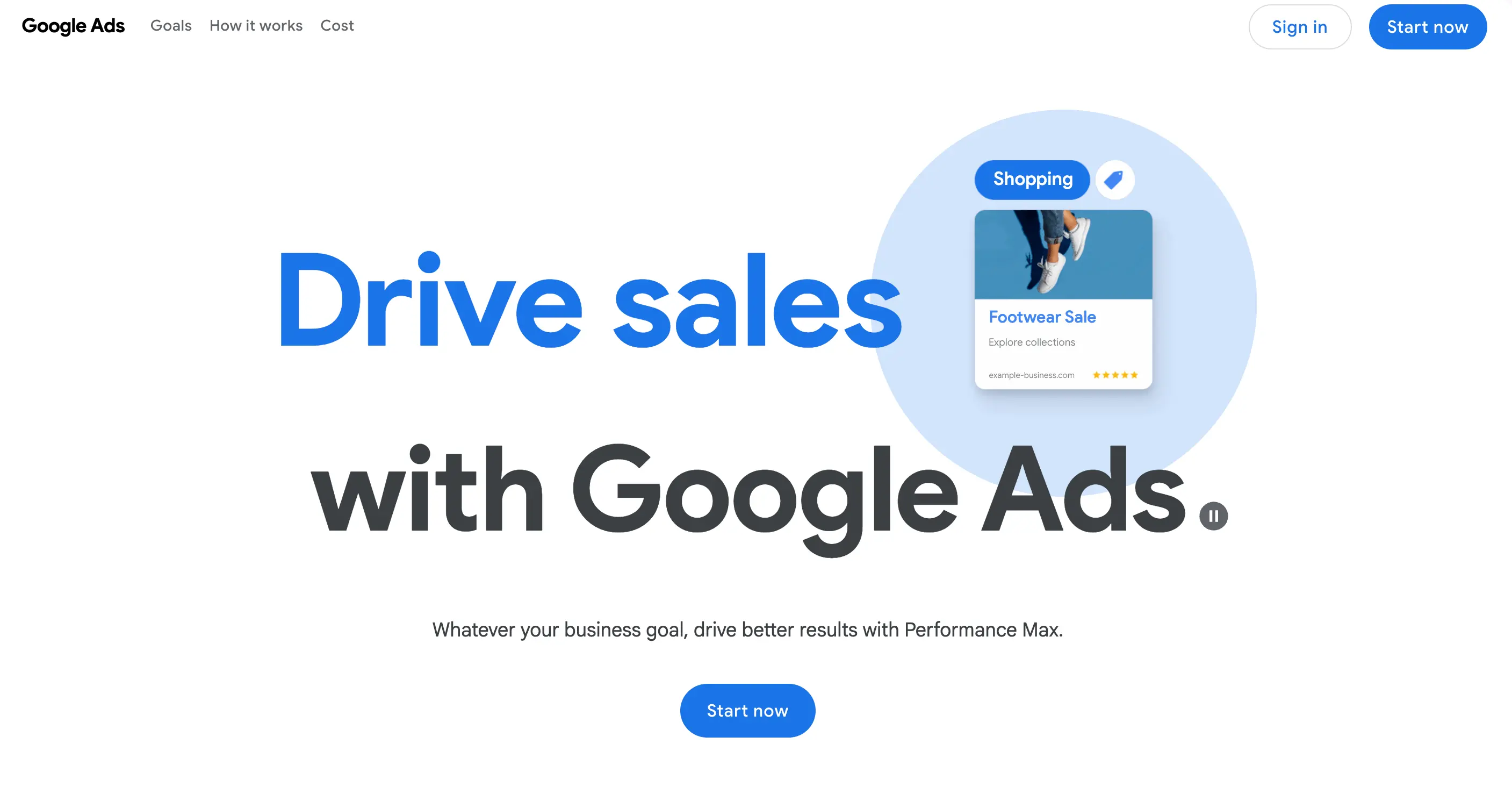
Make your SEO and paid ads work together. Find which keywords work well in your paid campaigns, then create content around those terms to improve your free search rankings. Look at your best-performing website pages to get ideas for new paid ad campaigns. This helps you reach more ready-to-buy customers.
For a practical approach: Run a small Google
Ads campaign for two weeks. See which keywords get the most clicks and sales. Then, write a detailed blog post or a new product page optimized for that exact keyword. This way, you might eventually rank for free for a term you are currently paying for. Also, look at the "Search Terms" report in Google Ads to find new, relevant phrases your customers are using that you hadn't thought of before.
4. Use Social Media for Direct Sales
Use social media apps as places to sell. Turn on shopping features on Instagram, TikTok, and Facebook so users can buy without leaving the app. Try shoppable video ads and live shopping streams. Work with small influencers who can promote your products to their engaged followers.
To effectively sell on social media: First, choose one or two platforms where your target customers spend the most time. Fill out your social shop completely with detailed product descriptions and high-quality images. For live shopping events, plan a theme, like a tutorial or a new product launch, and promote the event a few days in advance. Partner with micro-influencers by sending them a free product and a unique discount code for their followers to track sales.
5. Build Partnerships with Other Brands
Create a formal program for working with others. Find affiliate partners in your industry and loyal customers who can be brand ambassadors. Give them special links, discount codes, and content. This builds a marketing channel where you only pay for actual sales.
Steps to start a partnership program: Define clear rules and commission rates (e.g., 10% of every sale). Use an affiliate network platform (like ShareASale or Refersion) to manage links and payments easily. Reach out to bloggers or content creators in your niche with a personalized email, offering them early access to new products or exclusive content for their audience. This builds a network of promoters who are motivated to drive sales.
Get in touch
with our expert
Discuss your project requirements and get a free estimate.
Get in touch
with our expert
Discuss your project requirements and get a free estimate.
6. Connect All Customer Touchpoints
Connect all the places you interact with customers. Make sure someone who looks at a product on your app later sees an ad for it on social media. Link online and offline purchases so your communications are relevant. This creates a smooth experience that makes customers more loyal.
Implementation tip: Use a Customer Relationship Management (CRM) system that connects to your website, email platform, and point-of-sale system. This creates a single customer profile. A simple first step is to use Facebook's tracking pixel on your website to create custom audiences for ads. Also, ensure your customer service team has access to purchase history so they can help quickly, whether the customer contacts you via email, chat, or phone.
7. Use More Video and Interactive Content
Use more video and interactive tools. Create short tutorial videos for social media and longer product demos for your website. Add features like quizzes (“Find your perfect skincare routine”) or AR tools that let people “try on” products with their phone camera. This makes the experience more engaging.
How to create this content: You don't need expensive equipment. Start by using your smartphone to film simple "how to use" videos. Upload them natively to platforms like Instagram Reels and YouTube Shorts. For interactive quizzes, use a no-code tool like Octane AI or Typeform. These tools can recommend products based on a customer's answers and directly add those items to their cart, shortening the path to purchase.
8. Build a Brand Community
Build a group where your customers can talk to each other and your brand. This could be a private social media group or a space on your website. Ask customers to share their experiences with a special hashtag and feature their content. A strong community turns customers into brand supporters.
To grow a community: Create a private Facebook Group or a channel on Discord for your most loyal customers. Offer them exclusive benefits like sneak peeks of new products, special discounts, or direct access to your product team. Actively encourage discussion by asking questions and running weekly themed posts. This sense of belonging makes customers less likely to switch to a competitor.
9. Focus on Privacy in Marketing
Prepare for stricter privacy rules by collecting data directly from customers. Ask them to share their preferences in exchange for benefits like loyalty points, exclusive content, or personalized product quizzes. Use this information to make their experience better, which builds trust.
Actionable methods: Implement a loyalty program where customers earn points for providing their birthday, style preferences, or communication choices. Use a welcome quiz on your website ("Tell us what you're looking for!") to collect zero-party data. Clearly communicate how you use their data and how it benefits them, such as by sending them more relevant product suggestions instead of random spam.
10. Create a Loyalty Program to Keep Customers
Focus on keeping your current customers happy. Create a loyalty program that rewards repeat purchases, reviews, and social media shares. For products people buy often, offer a subscription plan. Use data to find customers who haven't bought in a while and send them special offers to return.
Key elements of a good program: Make it easy to join and understand. Offer tiered rewards (e.g., Silver, Gold, Platinum) to encourage more spending. The best rewards are often early access to sales or free shipping, not just points. For subscriptions, offer a small discount (5-10%) and the convenience of automatic delivery. Use your email platform to automatically identify customers who haven't purchased in 90 days and send them a "We miss you" offer.
11. Test and Improve Your Website
Constantly test and improve your website. Do not just test button colors. Experiment with your page layout, checkout process, and the messages you show to different visitors. Use tools that show how people move and click on your site to find and fix problems that stop them from buying.
How to run tests: Begin with a technical SEO audit to identify and fix critical issues that hurt your search rankings, such as slow page speed or broken links. Then, use A/B testing tools (like Google Optimize) to experiment with changes, such as moving the "Add to Cart" button or simplifying your checkout. Complement this with heatmap tools (like Hotjar) to see how users navigate. A common, high-impact test is to offer guest checkout, which can significantly reduce cart abandonment.
Future Trends in E-Commerce Marketing
The next era of online shopping will be driven by technologies that make commerce more intuitive, immersive, and integrated into daily life. The following table outlines the key trends that will define this shift.
Trend | What It Is | Why It Matters |
|---|---|---|
AI as a Creative Partner | Artificial Intelligence will generate marketing copy, ad visuals, and video content, acting as a core creative tool managed by human strategists. | It allows small teams to produce content at the scale and speed required for modern omnichannel marketing, increasing efficiency and agility. |
Immersive Commerce (AR/VR/Metaverse) | The use of Augmented Reality for virtual try-ons will become standard, evolving into full Virtual Reality stores and social shopping experiences within digital worlds. | It transforms shopping from a simple transaction into an engaging, experiential event, reducing hesitation and increasing confidence for considered purchases. |
Voice & Conversational Commerce | Shopping via smart speakers will advance, while AI chatbots on websites will act as personal shopping assistants, guiding users through natural conversation. | It creates a hands-free, frictionless path to purchase and provides 24/7 personalized service, improving accessibility and convenience. |
Predictive Personalization | Moving beyond reacting to past behavior, AI will anticipate customer needs—like auto-replenishing supplies or suggesting products for a detected upcoming trip. | This "anticipatory" service creates unmatched convenience, fostering deep customer loyalty and making switching brands difficult. |
Sustainability as a Requirement | Eco-consciousness shifts from a nice-to-have to a baseline demand, requiring radical transparency via carbon footprint labels, recycling programs, and circular models. | Consumer trust will be built on verifiable proof of ethical and sustainable practices. Brands that cannot demonstrate this will lose relevance. |
Embedded Commerce | The ability to buy products directly within any digital experience—like a blog, video, or app—without being redirected to a separate store. | It removes all final barriers to purchase by turning moments of inspiration into instant transactions, making every piece of content a point of sale. |
Advanced Social & Live Commerce | Social platforms evolve into full entertainment-shopping hubs with interactive live streams where viewers can vote, get offers, and buy in real-time. | It merges community, content, and commerce into interactive entertainment, driving immense brand affinity and urgency through live exclusivity. |
Build Your Marketing Foundation for Growth
Success in modern e-commerce is built on a connected system, not a collection of isolated tactics. Your marketing foundation must integrate strategy across content, data, advertising, and community to create a seamless and scalable engine for growth.
To build this system, start by solving your most critical challenge with one core strategy, then integrate additional channels as you scale. For expert guidance in constructing and executing this unified approach, partner with Transform Agency. Let us help you transform your potential into measurable results.
FAQ
What is e-commerce marketing?
E-commerce marketing is the use of digital strategies to promote an online store and drive sales. It includes methods like SEO, social media, email marketing, and content creation to attract visitors and turn them into customers. The goal is to build a brand and grow revenue entirely through digital channels.
What are the best e-commerce digital marketing strategies?
The best strategies work together as one system. This includes creating a personalized customer journey, combining SEO with paid ads, using social media for direct sales, and building an omnichannel experience. Focusing on customer retention through loyalty programs and constant website testing are also key for growth.
What are the types of e-commerce marketing?
Primary types are search engine marketing, social media marketing, email marketing, and content marketing. Important performance based types include affiliate marketing and influencer partnerships. Retargeting ads and a unified omnichannel strategy are also essential components of a complete plan.
What is an e-commerce marketing strategy?
An e-commerce marketing strategy is a complete plan to attract, convert, and retain customers online. It coordinates all digital channels, like search, social, and email, into one focused effort. The strategy sets clear goals to increase sales, market share, and customer loyalty over time.
What are the future trends in e-commerce marketing?
Future trends focus on deeper technology integration, including AI generated content, augmented reality shopping, and voice activated commerce. Personalization will become predictive, and sustainability will be a basic customer expectation. Commerce will also become embedded directly into everyday digital content and social interactions.

Expert in creating engaging written content. Skilled at analyzing audience behaviors and refining strategies to align business goals with customer interests. Proven ability to craft content that connects deeply with audiences. Passionate about staying current with trends to boost engagement.
Expert in creating engaging written content. Skilled at analyzing audience behaviors and refining strategies to align business goals with customer interests. Proven ability to craft content that connects deeply with audiences. Passionate about staying current with trends to boost engagement.